


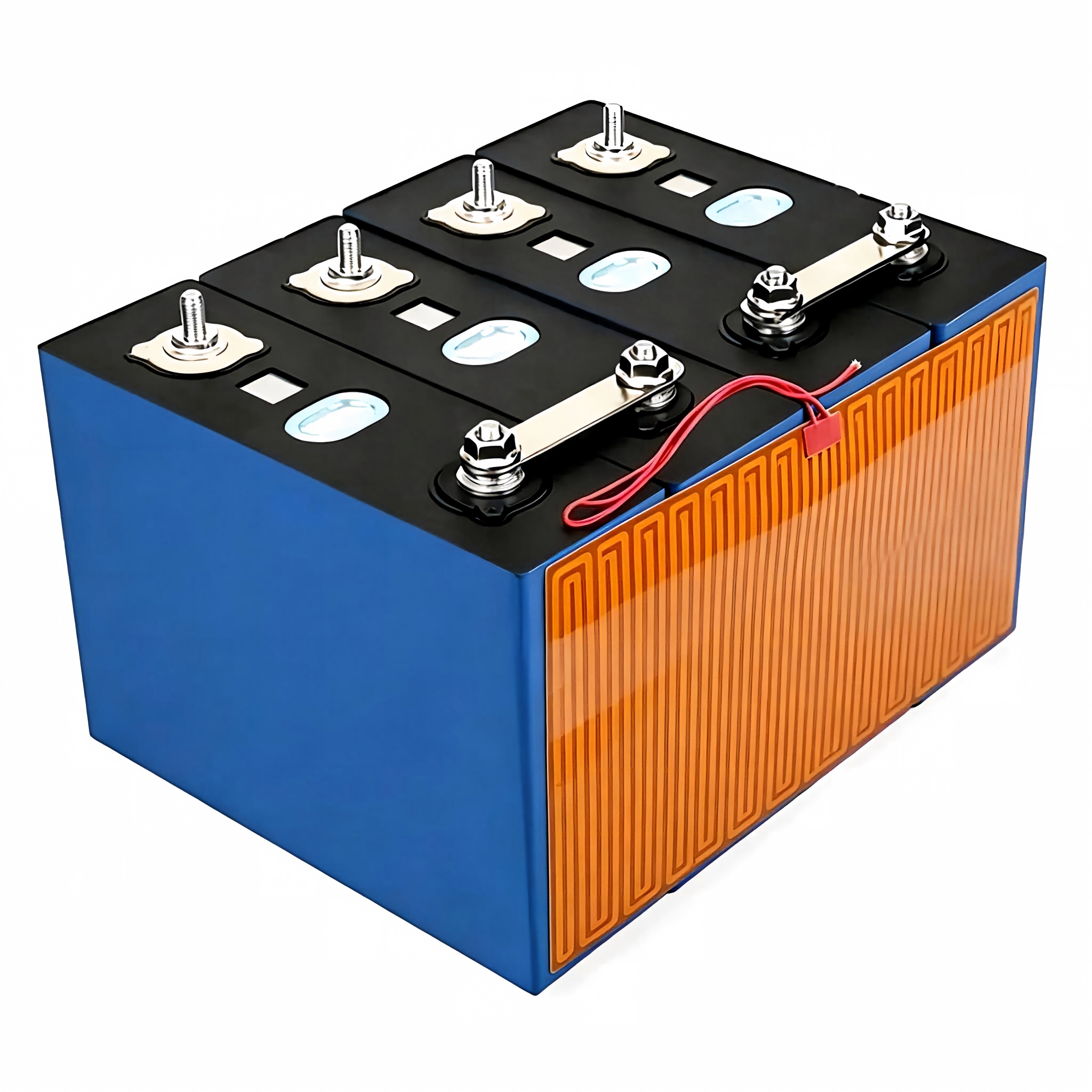
Polyimide vs Silicone Flex Heaters for Lithium-Ion Battery Packs
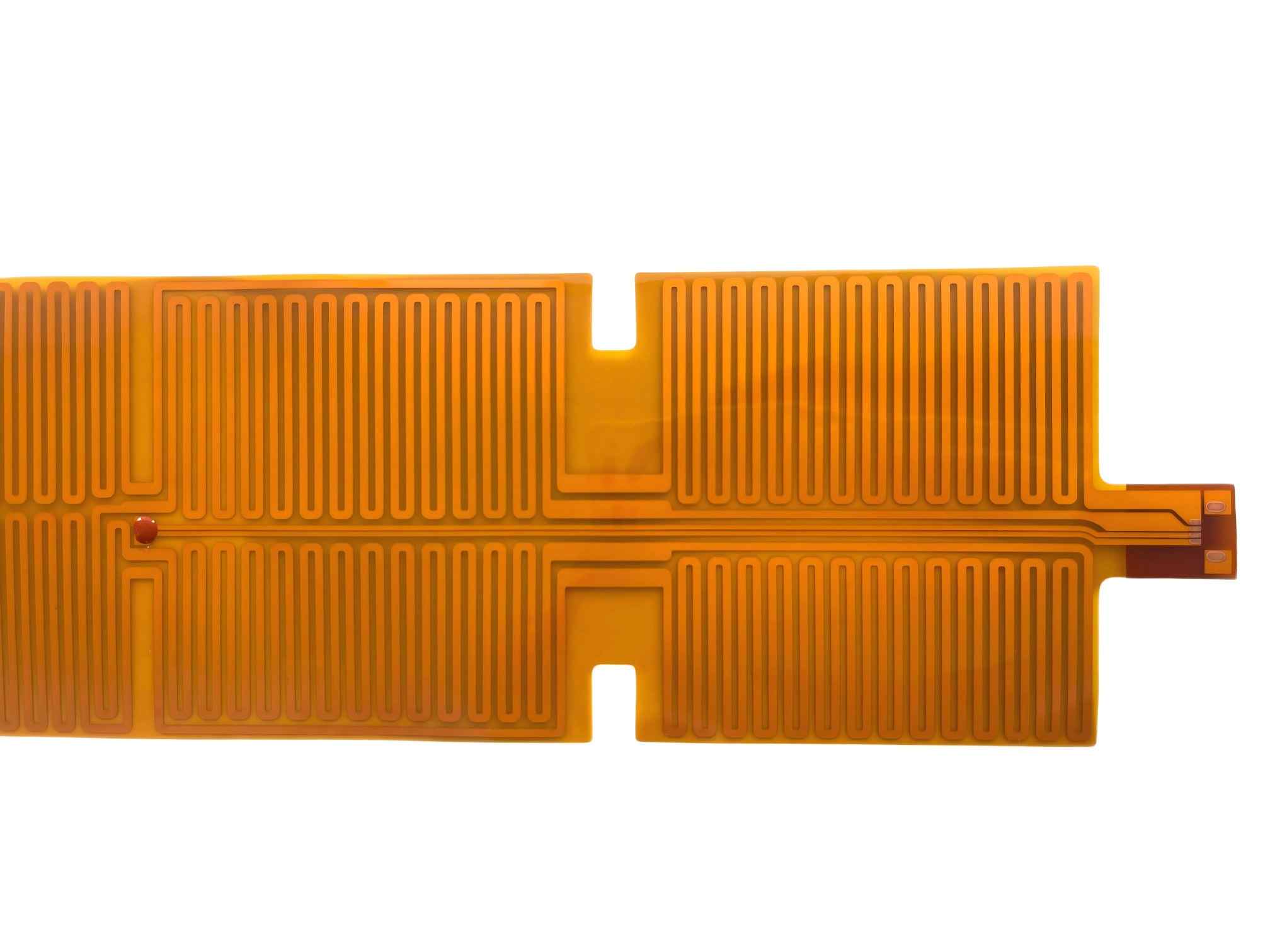
Can a Battery Heater NTC Measure Battery Cell Temperature?
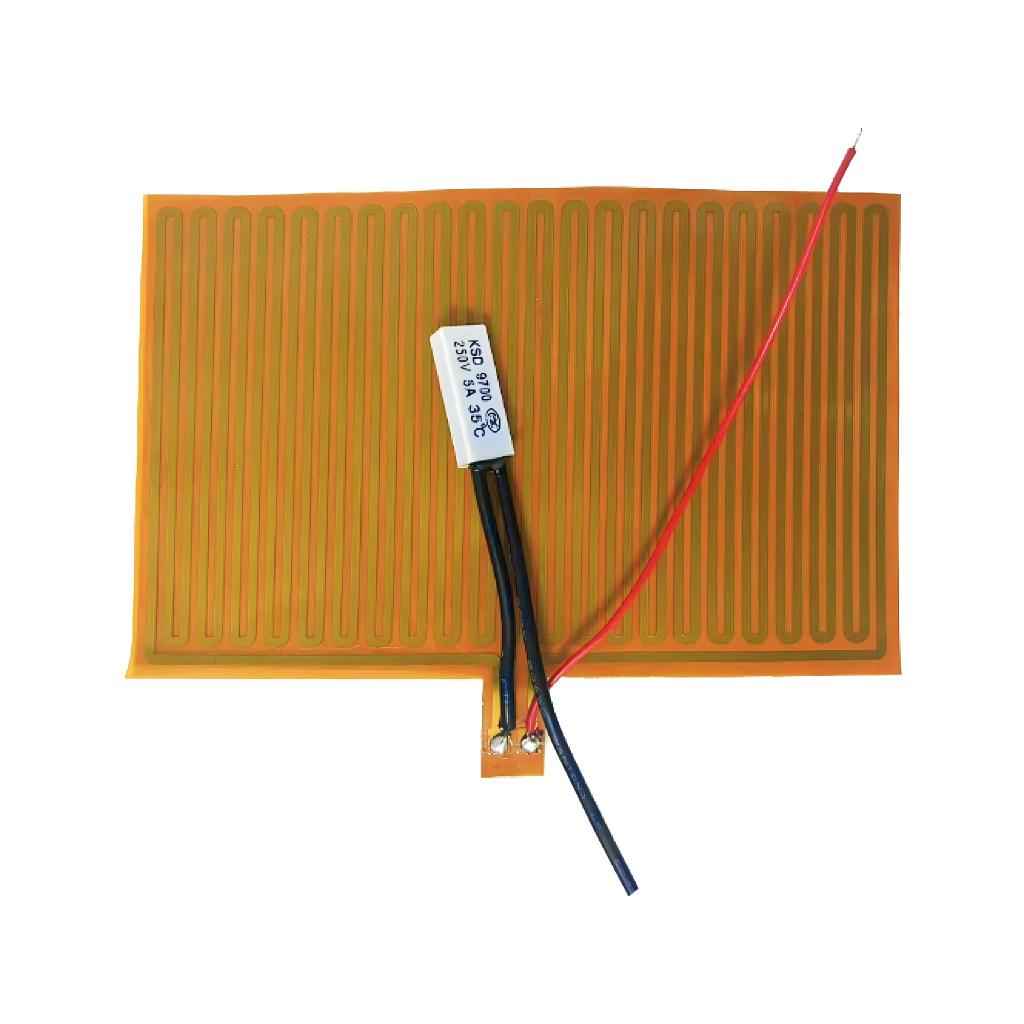
How to Integrate NTC Sensors and Thermal Protection Devices into Flexible Heaters?
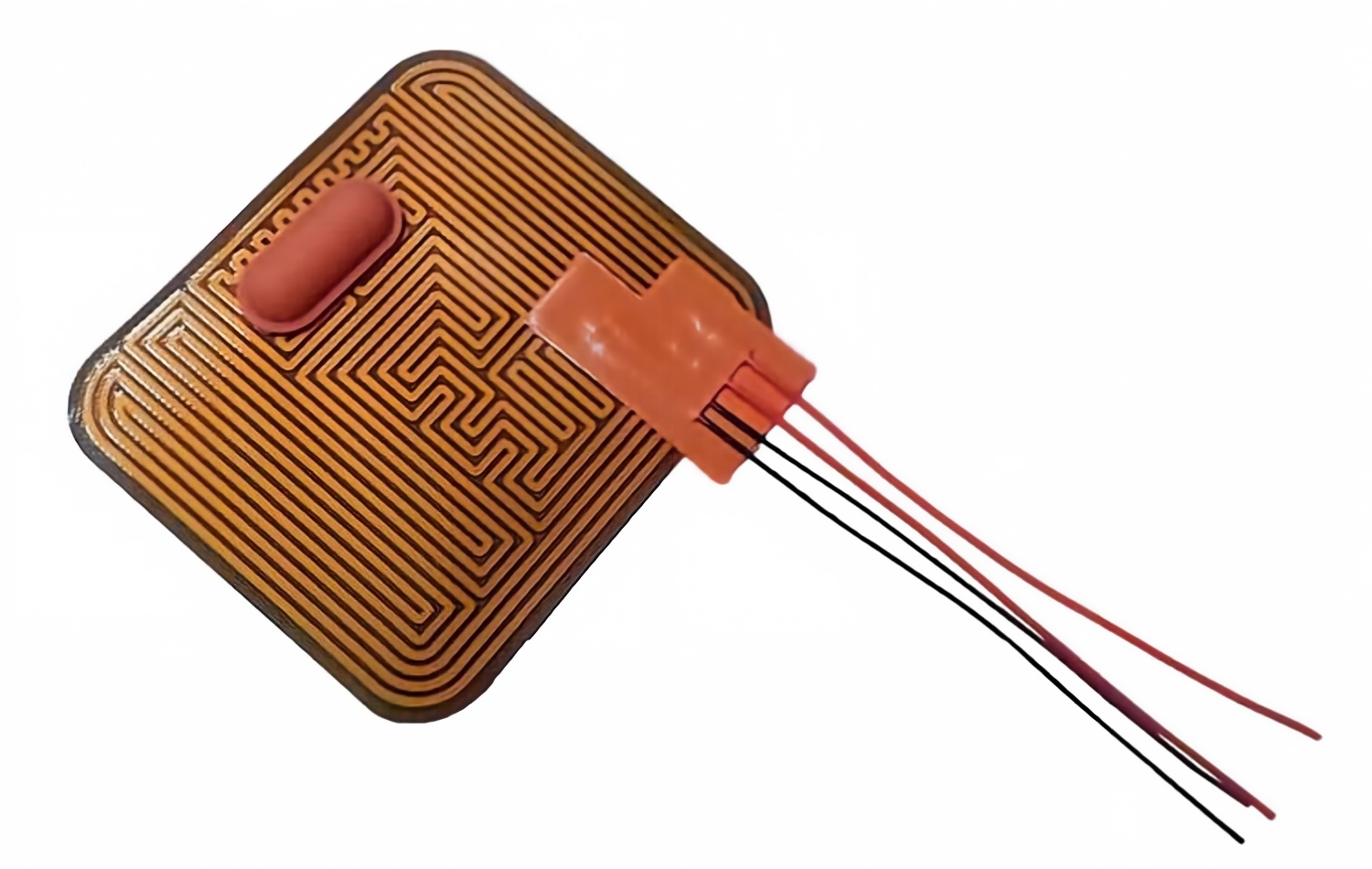
How Flexible Thin Film Heaters Improve Precision Thermal Control in Medical Devices?
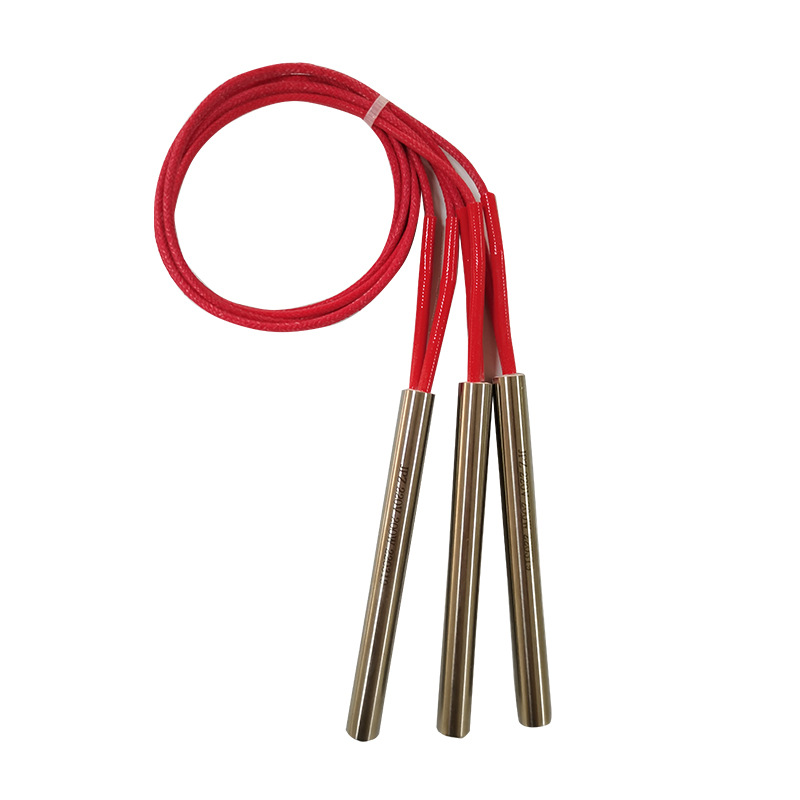
Cartridge Heaters Complete Guide for Industrial Heating Applications
As lithium battery systems continue to expand into energy storage, electric mobility, and outdoor equipment, thermal management has become increasingly important. In cold environments, batteries may suffer from reduced charging efficiency, shorter runtime, and even charging limitations.
Among different heating technologies, PTC heaters are becoming a preferred solution because they combine fast heating performance with inherent safety features.
PTC stands for Positive Temperature Coefficient. A PTC material works almost like an intelligent switch:
● At low temperatures, the resistance remains low, allowing the heater to generate heat quickly.
● As the temperature rises, the resistance automatically increases, limiting further temperature rise.
Because of this self-regulating behavior, PTC heaters can deliver efficient heating without relying heavily on complicated temperature control systems.

Why PTC Heaters Work Well for Battery Heating
Fast Startup in Low Temperatures
For lithium batteries operating in winter conditions, rapid preheating is often critical before charging or discharging.
PTC heaters can respond very quickly at startup. In some battery heating applications, the surface temperature can begin rising within seconds even at ambient temperatures as low as -20°C.
This helps batteries reach a more suitable working temperature faster, improving charging acceptance and overall system performance.
Automatic Temperature Regulation
Another important advantage is automatic temperature control.
Many PTC heaters naturally enter a stable heating condition around a designed temperature point, such as approximately 65°C, where the resistance increases significantly and the heating power decreases automatically.
This self-limiting feature helps maintain a more stable temperature without continuous full-power heating.
Enhanced Safety Without Complex Control Circuits
Traditional resistance heaters often require additional thermostats, sensors, or protection circuits to prevent overheating.
PTC heaters reduce this complexity because the material itself provides built-in temperature regulation. In many applications, this means:
● Lower overheating risk
● Simplified system design
● Improved operational reliability
For battery systems, where safety and thermal stability are critical, this characteristic offers a major advantage.
Additional Benefits of PTC Heaters
Beyond safety and temperature control, PTC heaters also provide:
● Compact structure for easier integration
● Energy-efficient operation
● Low maintenance requirements
● Reliable long-term performance
These advantages make them suitable for:
● Lithium battery packs
● Energy storage systems (ESS)
● Electric vehicles
● Outdoor electronic equipment
● Telecom cabinets
● Industrial and medical devices
As battery systems continue evolving, efficient thermal management is becoming more important than ever.
PTC heaters offer a practical balance of fast heating, automatic temperature control, and inherent safety protection. Their self-regulating nature allows battery systems to operate more reliably in challenging low-temperature environments while simplifying overall thermal design.
For many modern battery applications, PTC heating technology is no longer just an option — it is becoming an increasingly smart and dependable solution.
We offer a wide variety of high-efficiency heaters and heating element.Such as polyimide/kapton heaters,silicone rubber heaters,PET transparent heaters, thick film heaters,PTC heaters, mica heaters,epoxy resin heaters and graphene heating film.
 English
 Russian
 French
 Spanish
 German
 Polish