


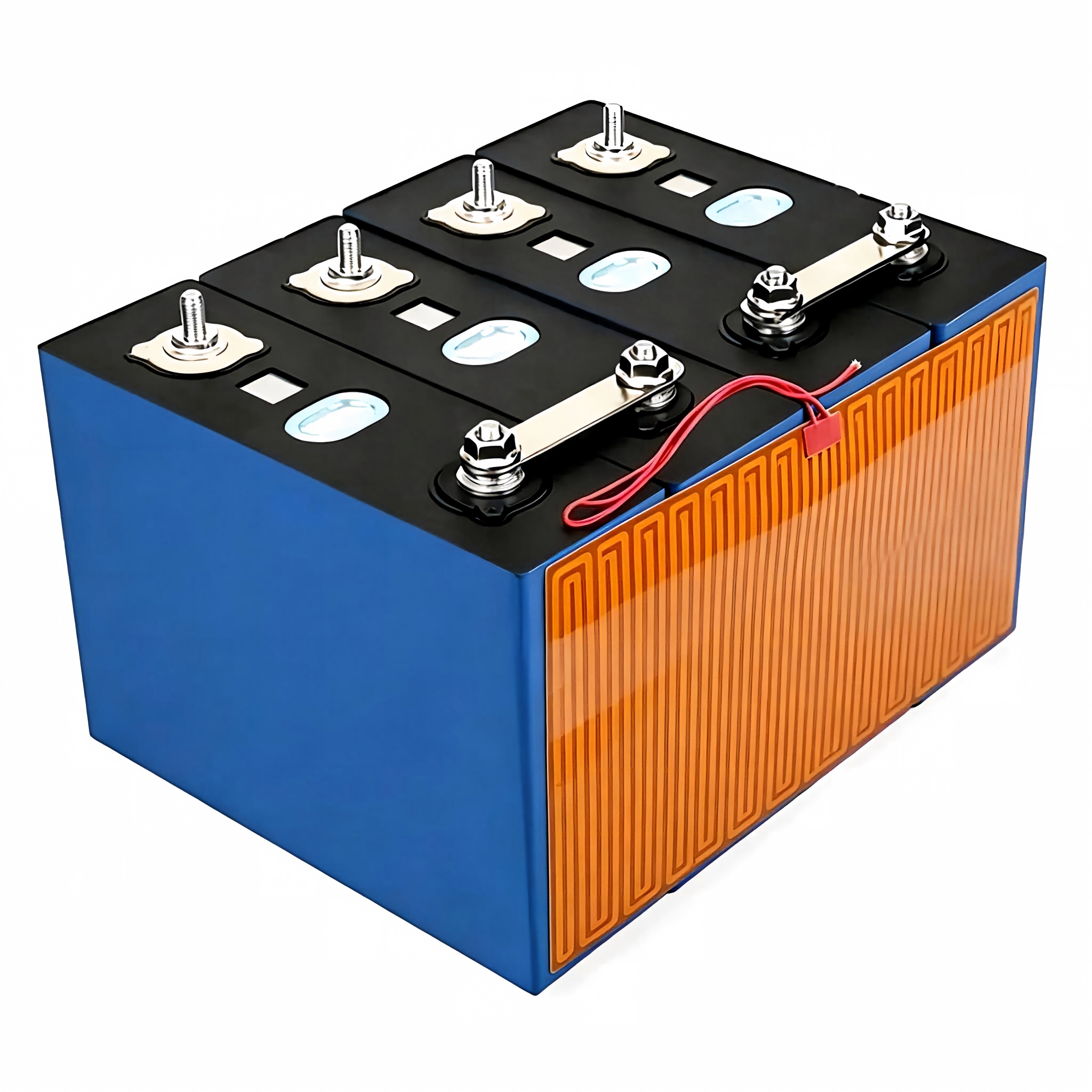
Polyimide vs Silicone Flex Heaters for Lithium-Ion Battery Packs
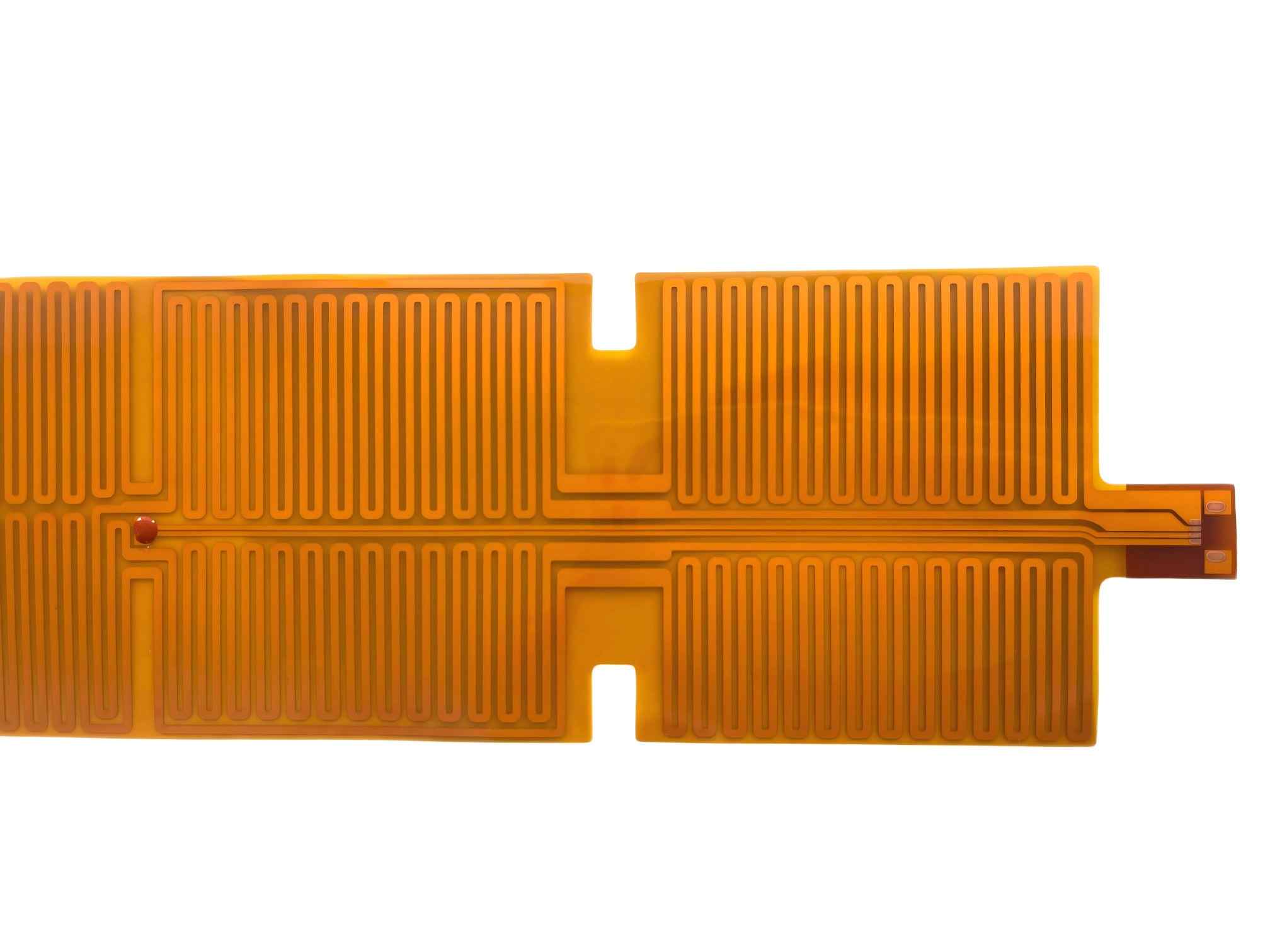
Can a Battery Heater NTC Measure Battery Cell Temperature?
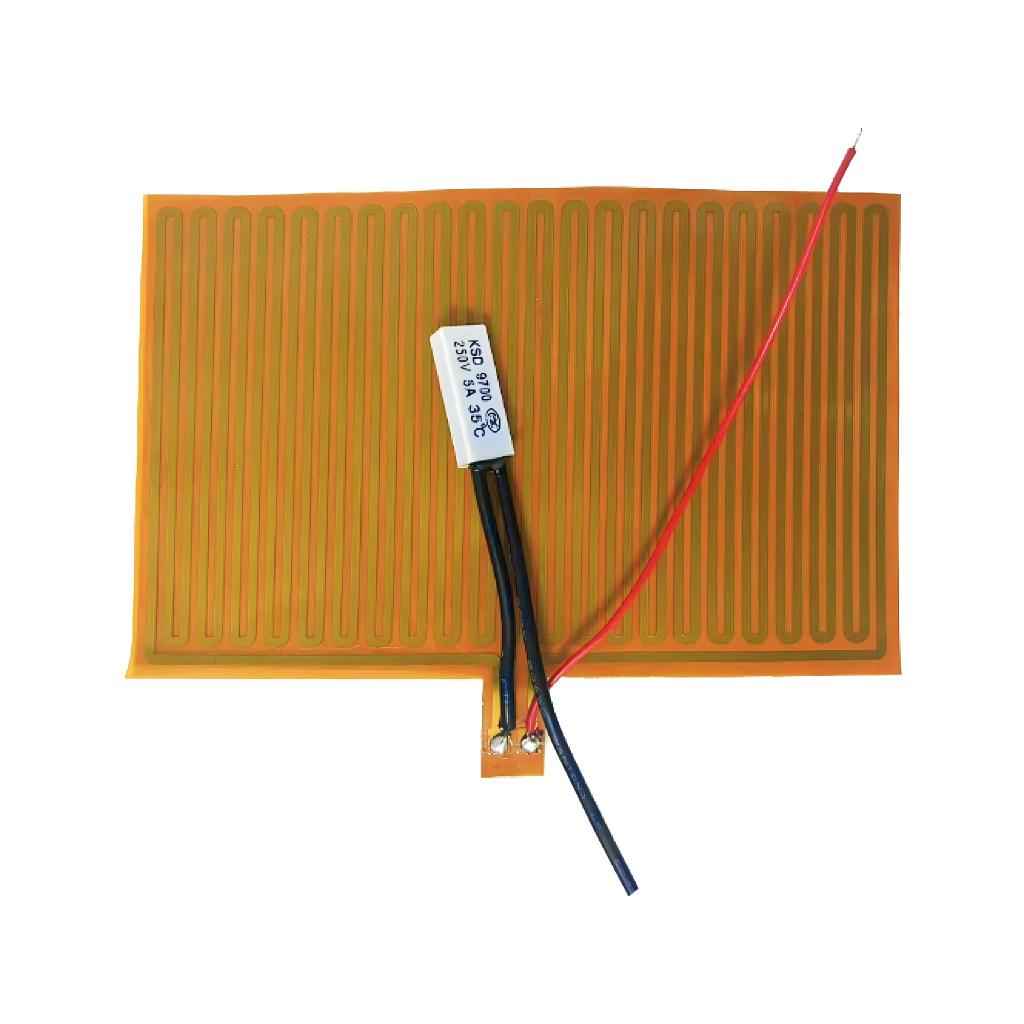
How to Integrate NTC Sensors and Thermal Protection Devices into Flexible Heaters?
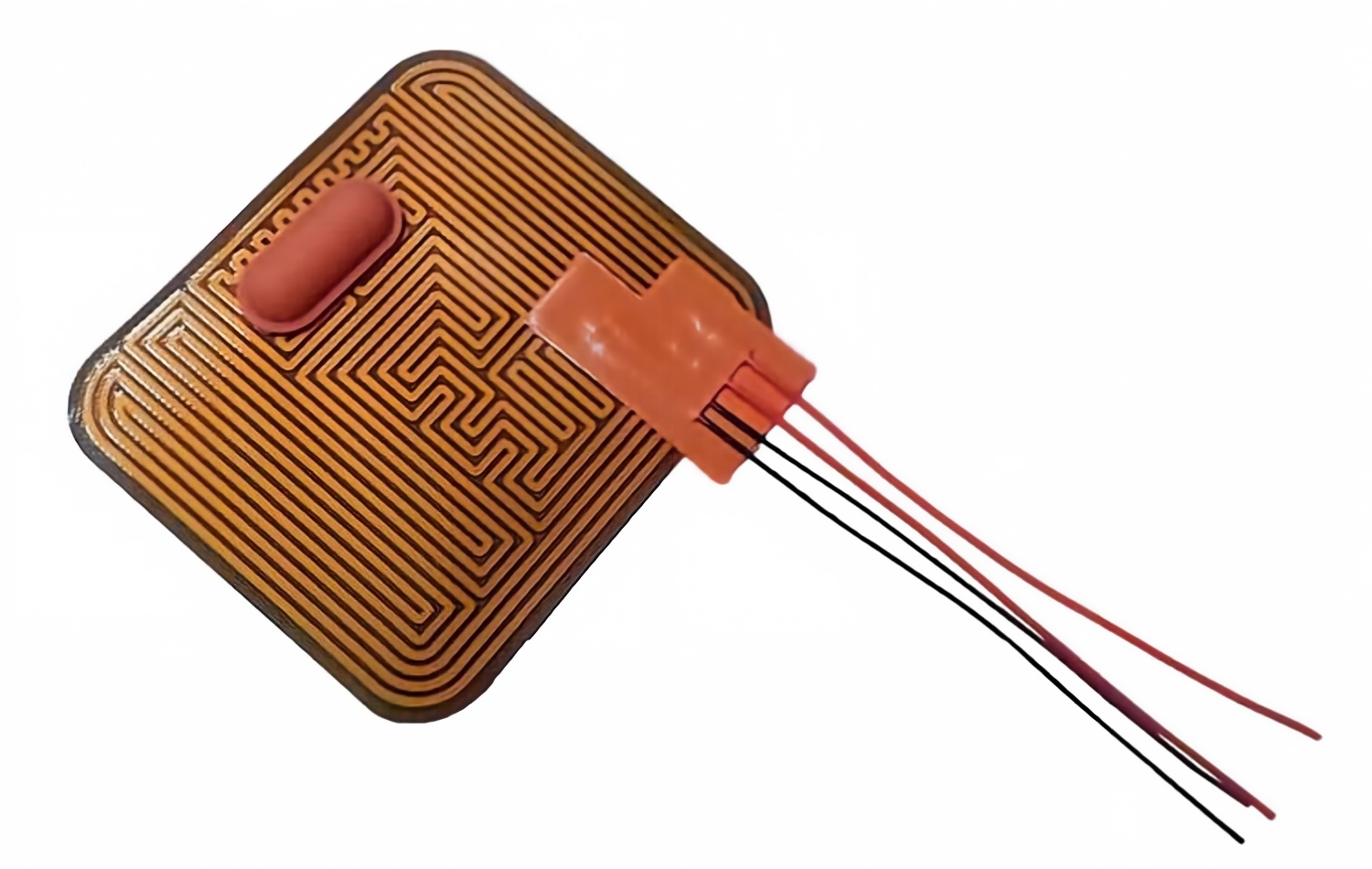
How Flexible Thin Film Heaters Improve Precision Thermal Control in Medical Devices?
Cartridge Heaters Complete Guide for Industrial Heating Applications
In industrial heating, precision, efficiency, and durability are essential. For complex metal components, tight spaces, or demanding conditions, factory vulcanized flexible heaters stand out—creating a permanent, high-efficiency bond with metal surfaces. We explore what this process involves, its key benefits, applications, and why it's an industry preferred choice.
What Is Factory Vulcanizing for Flexible Heaters?
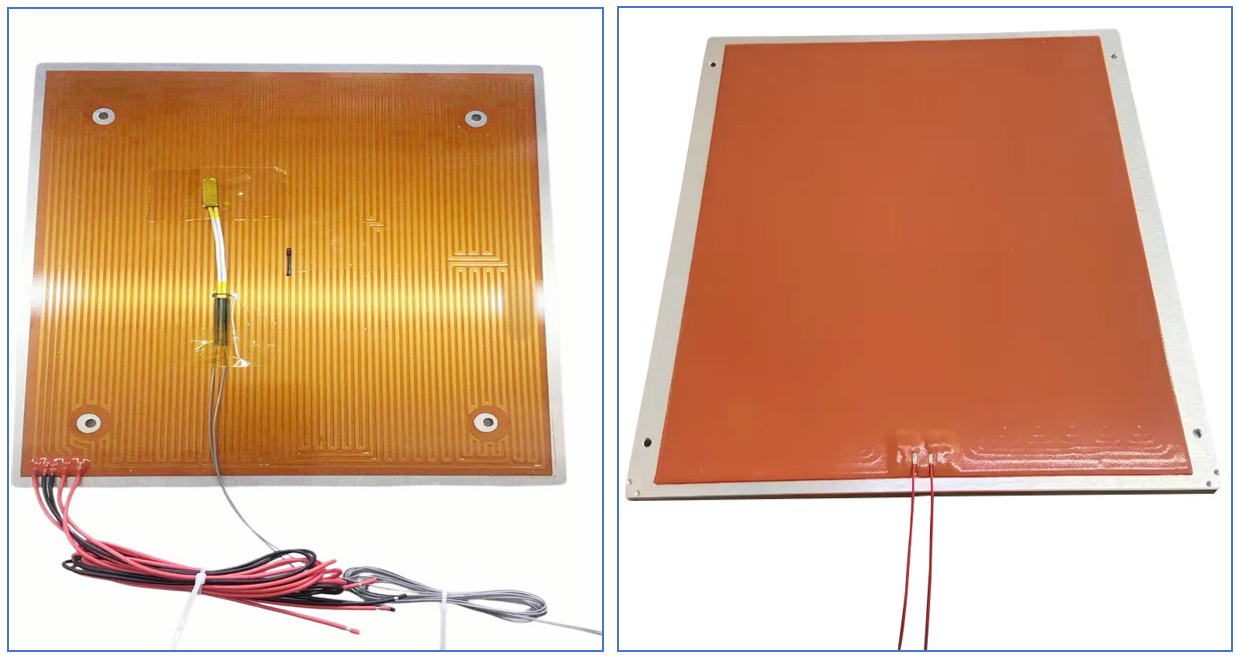
Factory vulcanization is a specialized process that bonds uncured flexible heaters directly to metal surfaces (e.g., aluminum, stainless steel) for a permanent, seamless attachment. Versatile and available in materials like polyimide and silicone, flexible heaters offer flexibility, adaptability, and efficient heat transfer—ideal for complex applications. Unlike temporary mounting (e.g., PSA or mechanical fasteners), vulcanization fuses the heater to the metal in one controlled operation, creating a bond as strong as the materials themselves.
The process starts with preparing the metal surface for optimal adhesion (clean, oxide-free contact is critical). The uncured flexible heater—fitted with etched foil (for uniform heat) or wire-wound (for versatility) elements—is placed on the metal, then transferred to a vacuum oven or continuous vulcanizer. Precise heat (150-200°C for most materials), pressure, and time trigger vulcanization, where the heater material fills metal surface microstructures to eliminate gaps and maximize heat transfer.
A key benefit is flexible metal sourcing: manufacturers like HRX Heaters can supply the metal part, or customers can provide their own. This aligns with flexible heaters' customizability—they can be easily cut or shaped to fit specific component geometries.
Key Advantages of Factory Vulcanization for Flexible Heaters
When it comes to attaching flexible heaters to metal, factory vulcanization offers distinct advantages over alternative methods—advantages that complement the inherent properties of flexible heating solutions. Here’s why it’s the gold standard for industrial applications requiring precision and reliability:
1. Unmatched Bond Strength & Durability
The vulcanization process creates a chemical bond between the flexible heater and the metal, rather than a mechanical one. This means the heater won't peel, lift, or degrade over time—even in harsh environments with extreme temperatures, vibration, or exposure to chemicals. Most flexible heater materials (including polyimide and silicone) are inherently resistant to radiation, solvents, and moisture, properties that are enhanced by the vulcanization process. Unlike pressure-sensitive adhesives or room-temperature vulcanizing bonds, which can weaken with heat or moisture, factory-vulcanized flexible heater bonds remain intact for the heater's entire lifespan. Additionally, the resistive properties of flexible heater materials are inherent, so they cannot be cracked, rubbed off, or easily damaged, further boosting durability.
2. Superior Heat Transfer Efficiency
Heat transfer is only as effective as the contact between the heater and the surface it's heating. Factory vulcanization eliminates air gaps between the flexible heater and the metal, as the material fills every micro-crevice in the metal's surface. This direct contact ensures that nearly 100% of the heat generated by the heater is transferred to the metal component—reducing energy waste and enabling faster, more uniform heating. Flexible heaters, especially those with etched foil elements, excel in uniform heat distribution, and factory vulcanization enhances this benefit. Depending on the base material, factory vulcanization to aluminum can support watt densities ranging from 2.5 to 20 watts per square inch, making them ideal for both standard and high-precision heating needs.
3. Versatility Across Metals & Configurations
Factory vulcanizing works with a wide range of metal surfaces, including plain aluminum, black anodized aluminum, stainless steel, and more—perfect for the diverse industrial applications of flexible heaters. These heaters are compatible with both etched foil and wire-wound elements: etched foil for uniform heat distribution and higher watt densities, and wire-wound for versatility and larger sizes. Additionally, the process can accommodate complex shapes and contours, leveraging the flexibility of these heaters to conform to irregular geometries that other heating solutions can't adapt to. Most flexible heaters have an ultra-thin profile (as thin as 0.010 inches / 0.25 mm), allowing for tight integration in space-constrained applications.
4. Enhanced Heater Longevity & Temperature Resilience
By eliminating gaps and creating a seamless bond, factory vulcanization protects the flexible heater's internal elements from damage caused by moisture, dust, or physical wear. The inherent properties of flexible heater materials—resistance to ozone, weather, chemicals, and radiation—are amplified by the vulcanization process. This results in a heater that can withstand continuous operating temperatures ranging from -40°C to 250°C), depending on the base material, with intermittent use up to higher temperatures. This temperature resilience makes vulcanized flexible heaters ideal for a wide range of industrial environments, from cold storage to high-heat manufacturing processes.
Key Applications of Factory Vulcanized Flexible Heaters
The unique benefits of factory vulcanized flexible heaters—their flexibility, thin profile, temperature resilience, and uniform heating—make them ideal for a wide range of industrial applications where reliability and precision are critical. Some of the most common use cases include:
- Automotive & Aerospace: Heating components like fuel lines, battery systems, avionics, and aircraft deicing systems, where tight spaces, lightweight design, and vibration resistance are essential. The flexibility and low weight of these heaters make them perfect for aerospace applications, where contour adaptability and weight savings are key.
- Medical Equipment: Patient warming systems, incubators, blood analyzers, and surgical instruments require precise, uniform heating. Factory vulcanized flexible heaters deliver consistent temperatures, are non-toxic, and have low outgassing, making them safe for medical use and critical healthcare settings.
- Semiconductor & Electronics: Wafer processing, chemical vapor deposition (CVD), and compact electronic devices rely on controlled heating to ensure performance. The ultra-thin profile of flexible heaters allows for tight integration in sensitive electronic systems, while their uniform heating prevents component damage.
- Industrial Machinery: Pump lines, process tanks, and composite curing equipment often require precise heating to prevent fluid viscosity issues or ensure proper curing. Factory vulcanized flexible heaters adhere securely to these components, even in harsh industrial environments with exposure to chemicals or vacuum conditions.
Factory vulcanized flexible heaters represent a powerful solution for industrial heating, combining the adaptability of flexible heating solutions with the durability and efficiency of a permanent chemical bond. Whether you're looking to improve heat transfer, enhance heater longevity, or adapt to complex component shapes, factory vulcanization delivers consistent, reliable results across a wide range of applications. By understanding the process, benefits, and key considerations outlined in this blog, you can make an informed decision when selecting the right heating solution for your industrial needs.
We offer a wide variety of high-efficiency heaters and heating element.Such as polyimide/kapton heaters,silicone rubber heaters,PET transparent heaters, thick film heaters,PTC heaters, mica heaters,epoxy resin heaters and graphene heating film.
 English
 Russian
 French
 Spanish
 German
 Polish