


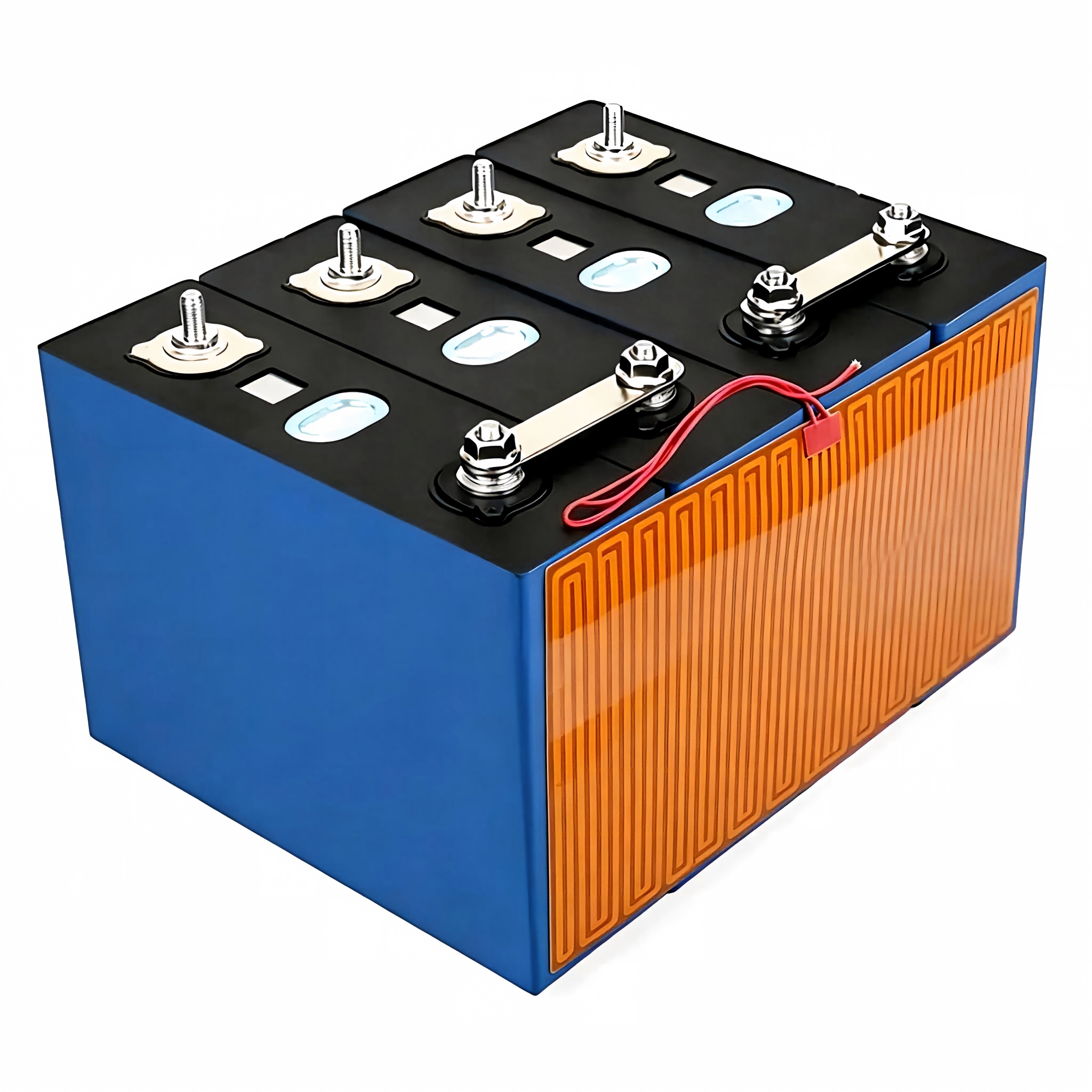
Polyimide vs Silicone Flex Heaters for Lithium-Ion Battery Packs

Can a Battery Heater NTC Measure Battery Cell Temperature?
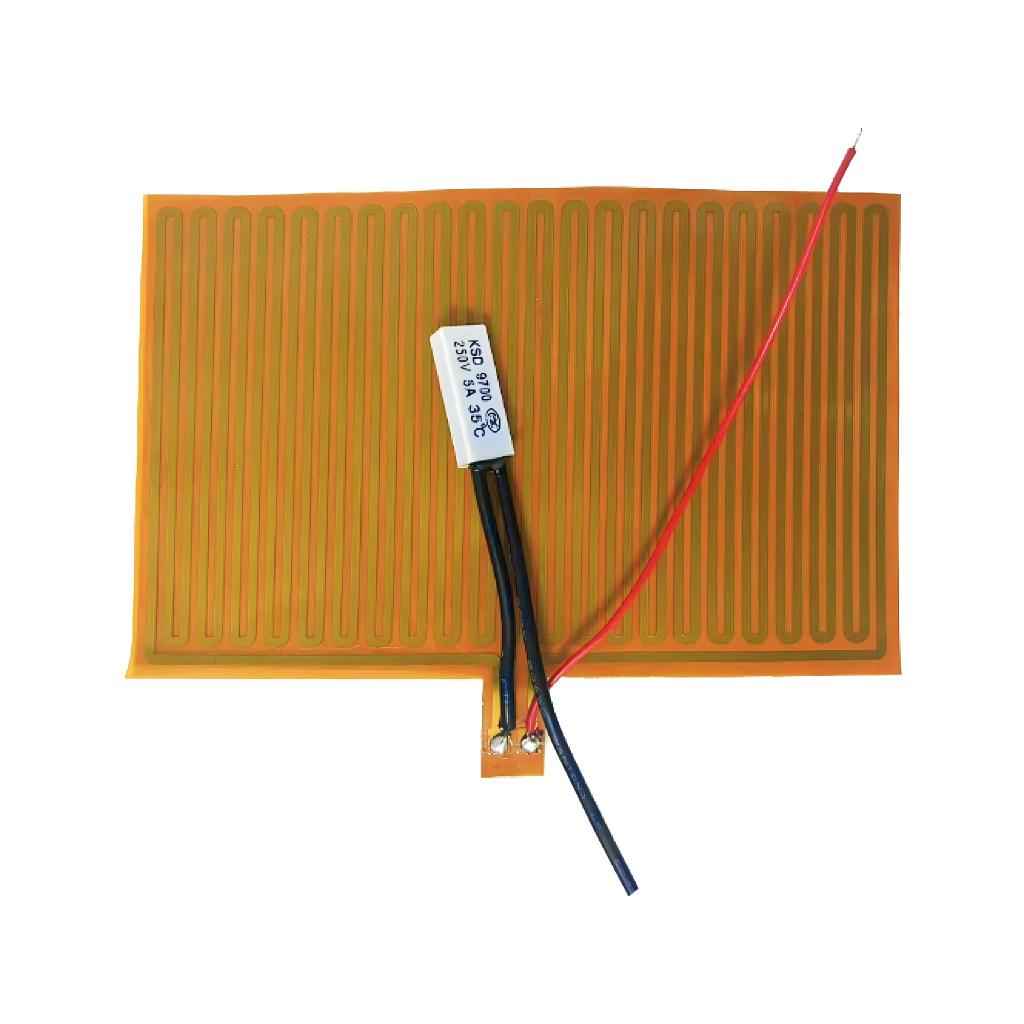
How to Integrate NTC Sensors and Thermal Protection Devices into Flexible Heaters?
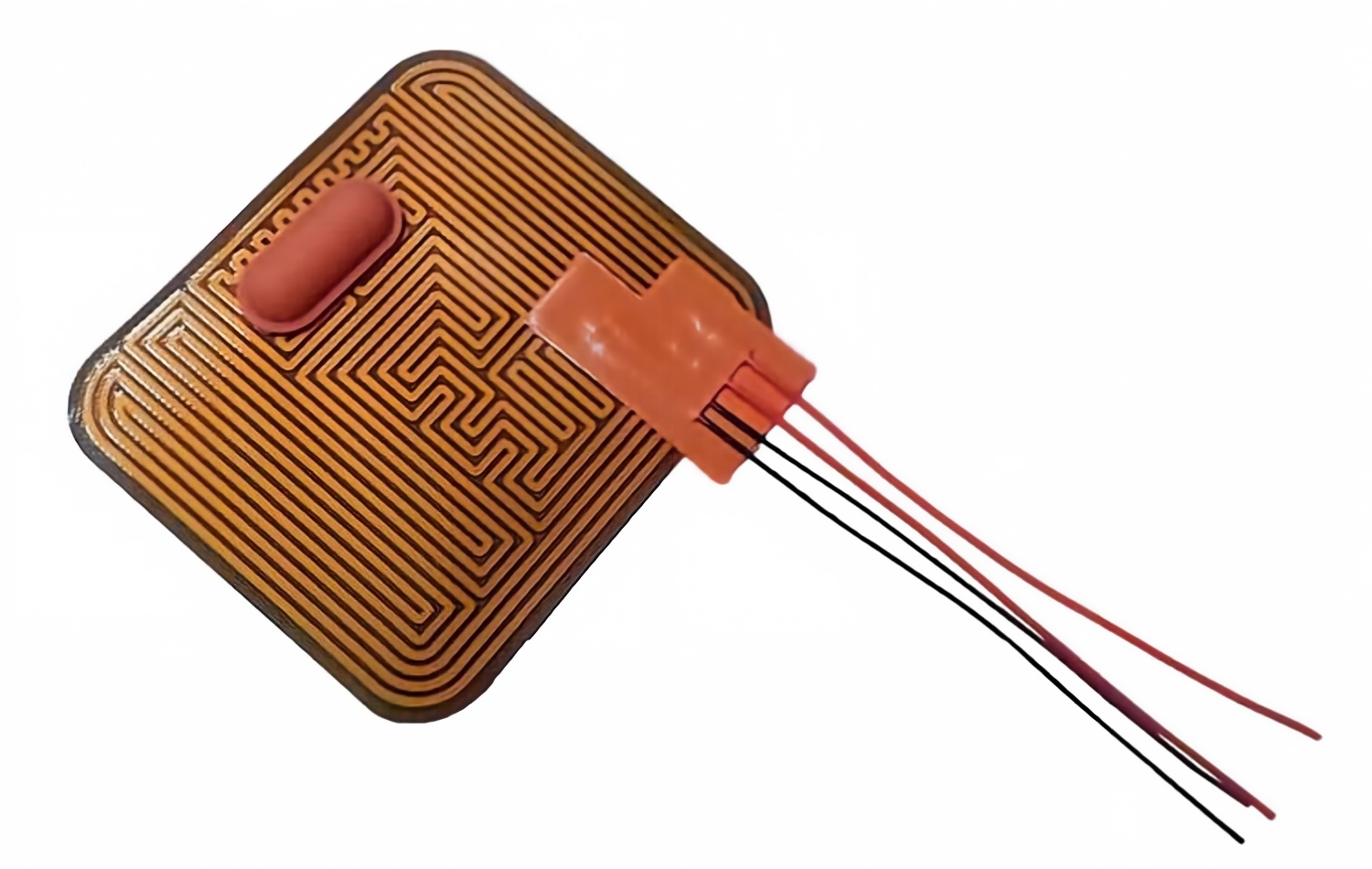
How Flexible Thin Film Heaters Improve Precision Thermal Control in Medical Devices?

Cartridge Heaters Complete Guide for Industrial Heating Applications
When designing a battery heating system, one of the most common questions we receive from engineers is:
"Can the NTC sensor on the battery heater be used to measure the actual battery cell temperature?"
The answer is: not exactly.
An NTC sensor installed on a battery heater is primarily designed to monitor the heater temperature and provide thermal protection. Although the measured temperature is closely related to the battery cell temperature, there is normally a temperature difference between the heater surface and the cells.
Understanding this difference is important when setting up the heating control strategy for battery packs.
An NTC sensor measures temperature by detecting changes in electrical resistance.
When integrated into a battery heater system, the NTC provides feedback to the controller by monitoring the temperature near the heating element.
However, the temperature measured by the NTC is generally the heater surface temperature, not the direct temperature of the battery cell.
During operation, heat is generated by the heater and transferred toward the battery cells through different layers, such as adhesive films, insulation materials, battery housing, or thermal interface materials.
Because of this heat transfer process, the heater surface temperature is normally slightly higher than the actual cell temperature.
Heater Temperature → Thermal Transfer Layer → Battery Cell Temperature
Therefore, the NTC reading should not be considered identical to the battery temperature.

At first glance, some engineers may think that measuring a temperature slightly higher than the battery cell temperature is a disadvantage.
In reality, this provides an important safety advantage.
Since the heater temperature responds faster than the battery cell temperature, the NTC can detect abnormal heating conditions earlier, including:
● Unexpected temperature rise
● Local hot spots
● Poor thermal contact between heater and battery
● Abnormal heater operation
By monitoring the heater surface temperature, the control system can reduce heating power or stop operation before excessive heat is transferred to the battery cells.
This creates an additional layer of protection for the battery pack.
Because the heater temperature and battery cell temperature are different, the heating control strategy should consider the temperature difference between them.
This difference is often referred to as ΔT compensation.
For example, if the target battery cell temperature is 10°C, the heater control temperature should not necessarily be set to exactly 10°C. The appropriate setting depends on the actual temperature difference between the heater and the cell.
The ΔT value can vary depending on factors such as:
● Heater power density
● Heater thickness
● Adhesive and insulation materials
● Battery structure
● Installation method
● Ambient conditions
For this reason, the compensation value is normally confirmed through prototype testing and system validation.
A heater-mounted NTC provides important temperature feedback, but it should be understood correctly.
Its main functions are:
● Monitoring heater temperature
● Supporting closed-loop temperature control
● Detecting abnormal heating conditions
● Providing early overheating protection
For applications requiring independent hardware protection, additional protection devices such as thermal fuses or thermostats can also be considered.
The final protection strategy depends on the battery system requirements and safety standards.
A battery heater NTC does not directly measure the battery cell temperature. Instead, it monitors the heater temperature and provides valuable feedback for temperature control and thermal protection.
The fact that the heater temperature is normally slightly higher than the cell temperature is not a limitation—it allows the system to detect abnormal heating conditions earlier.
By understanding the relationship between heater temperature and cell temperature, engineers can define a more accurate heating strategy and achieve safer, more reliable battery thermal management.
If you are developing a battery heating solution and have questions about heater temperature monitoring, NTC integration, or thermal protection design, HRX Heaters engineering team is happy to discuss your application.
We offer a wide variety of high-efficiency heaters and heating element.Such as polyimide/kapton heaters,silicone rubber heaters,PET transparent heaters, thick film heaters,PTC heaters, mica heaters,epoxy resin heaters and graphene heating film.
 English
 Russian
 French
 Spanish
 German
 Polish