


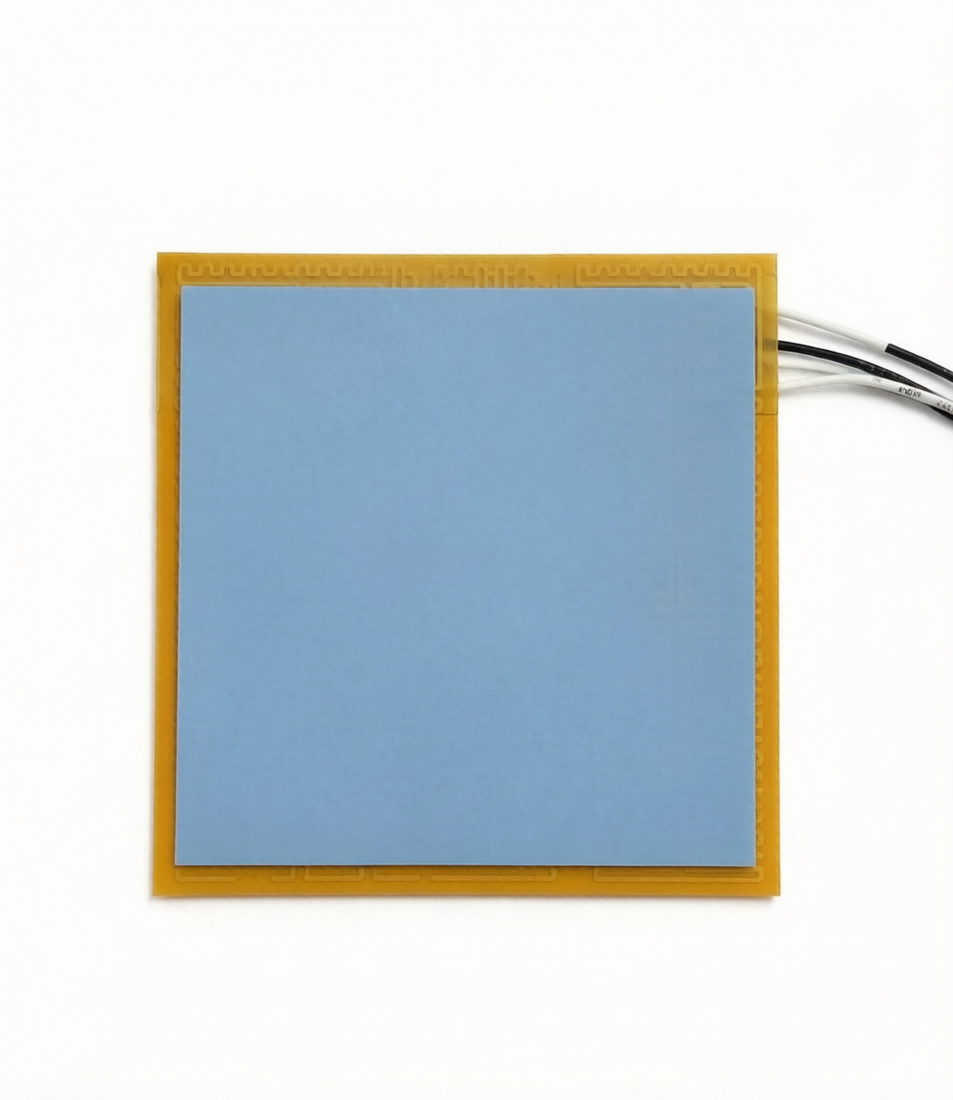
Polyimide Heaters with Thermally Conductive Silicone for Battery Applications
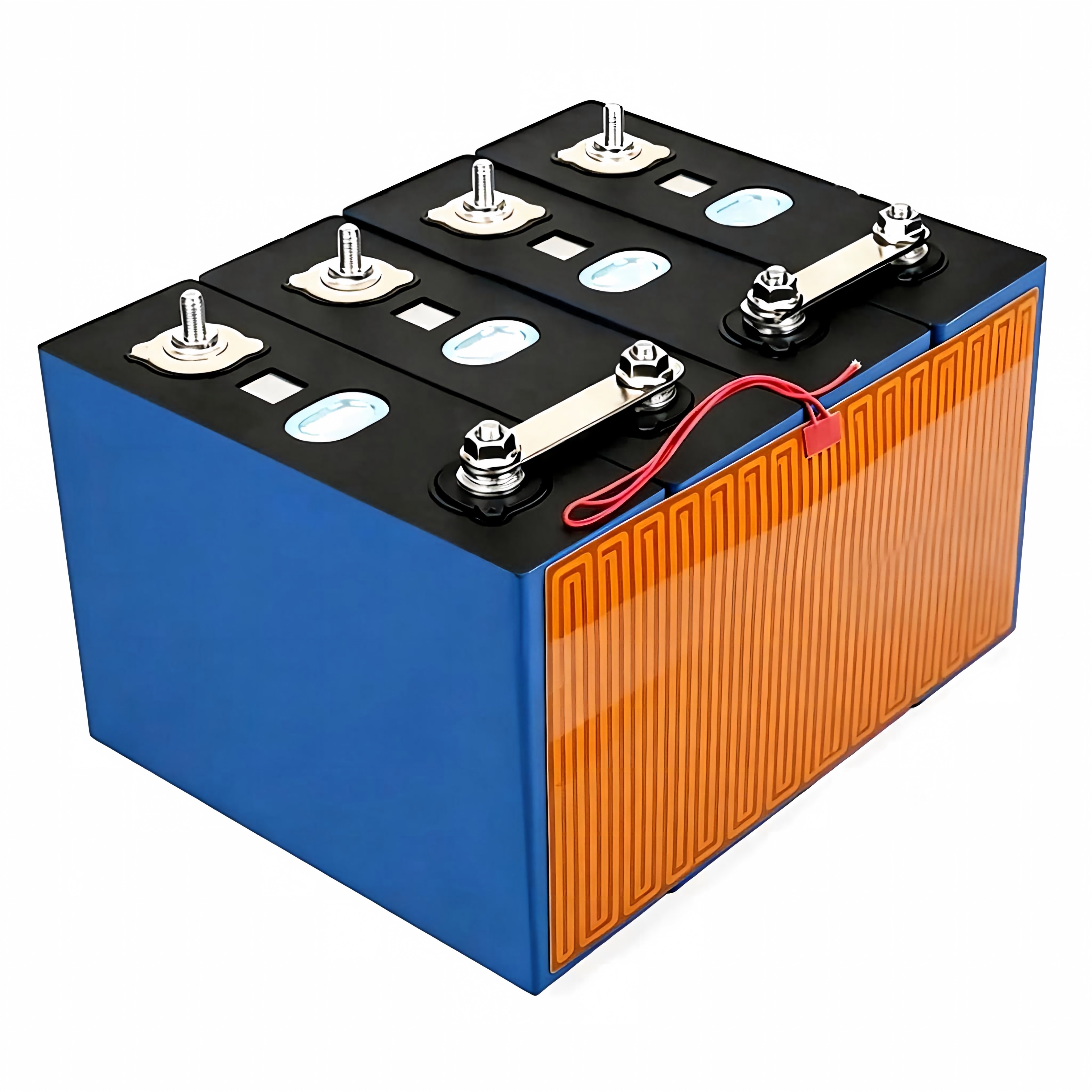
Polyimide vs Silicone Flex Heaters for Lithium-Ion Battery Packs
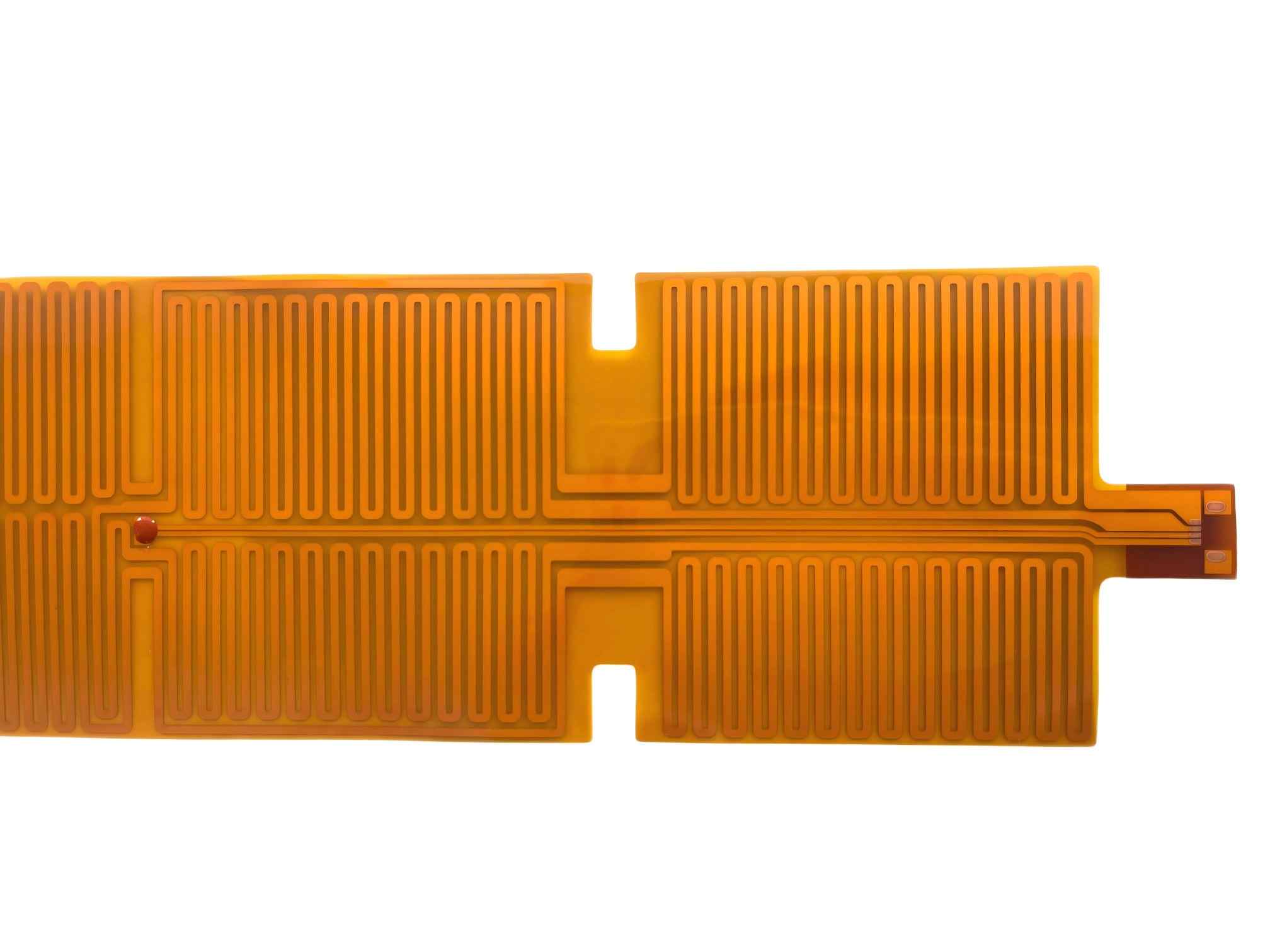
Can a Battery Heater NTC Measure Battery Cell Temperature?
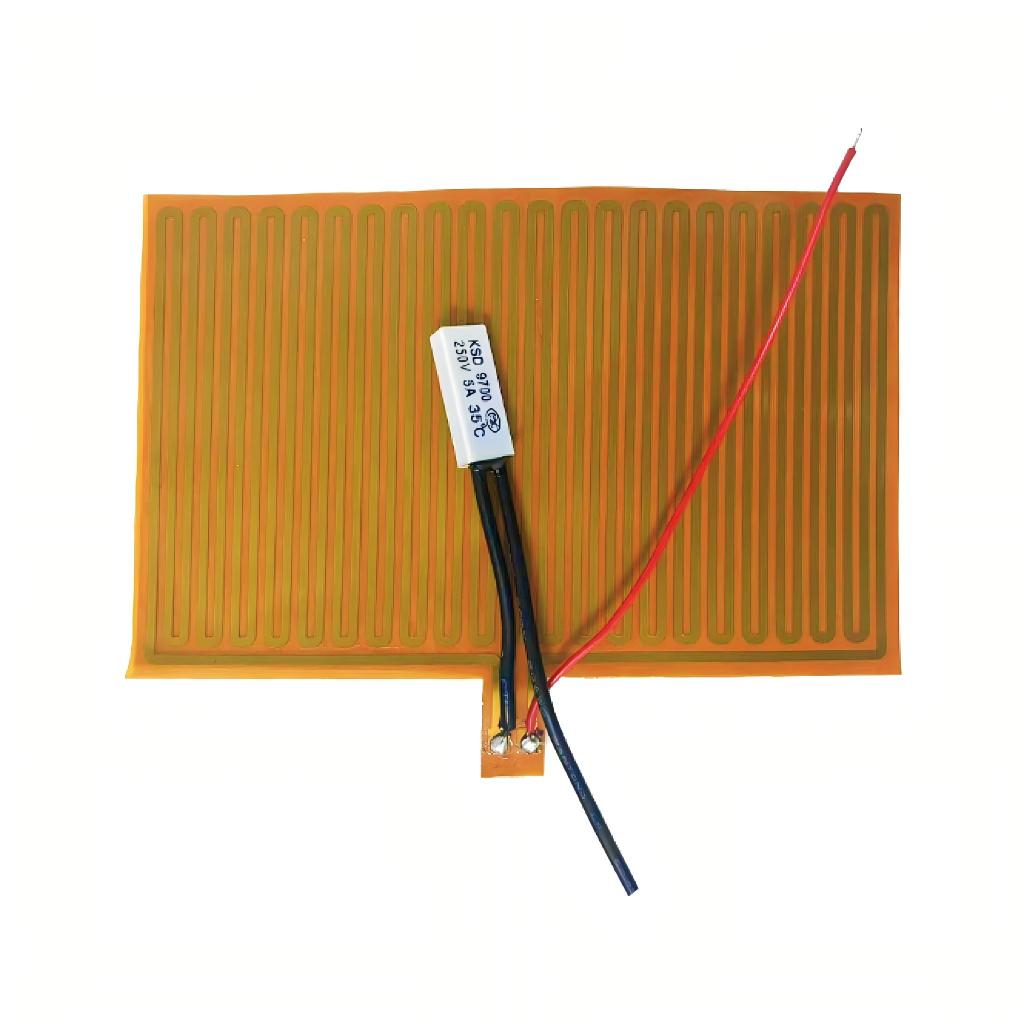
How to Integrate NTC Sensors and Thermal Protection Devices into Flexible Heaters?
How Flexible Thin Film Heaters Improve Precision Thermal Control in Medical Devices?
Battery heating solutions require careful consideration of heat transfer, installation space, electrical insulation, and mechanical requirements.
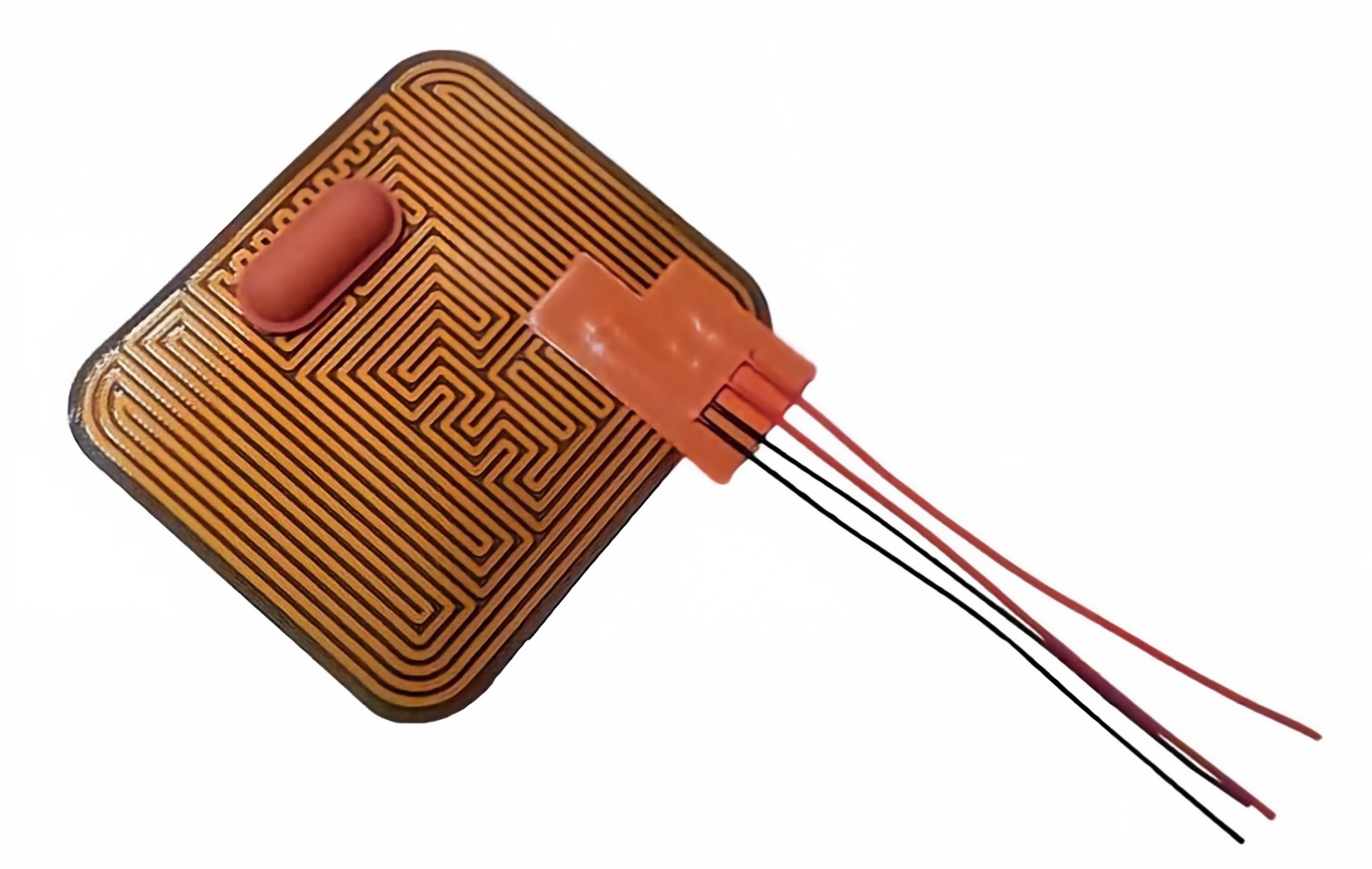
Polyimide heaters offer a thin, lightweight, and flexible heating solution for battery applications. When combined with thermally conductive silicone, they can provide an optimized thermal interface between the heater and the target component, depending on the application and assembly design.
Polyimide heaters can be customized in dimensions, voltage, heating power, and sensor configuration to meet different battery pack requirements.
Thermally conductive silicone can help improve contact between the heater and the target surface, supporting heat transfer across the interface. This combination is particularly relevant when installation space is limited and thermal contact needs to be carefully managed.
The appropriate construction depends on battery geometry, surface conditions, mounting methods, and thermal requirements.
When integrating thermally conductive silicone with a polyimide heater, engineers should consider the following parameters:
Thermal Conductivity: 1.5–12 W/(m·K)
Thickness: 0.3–12 mm
Operating Temperature Range: -40°C to 210°C
Available Colors: Blue, gray-white, gray, and pink
Thermal conductivity and thickness both affect the thermal resistance of the silicone layer. Higher thermal conductivity or reduced thickness can lower through-thickness thermal resistance under otherwise identical conditions. However, the selection should also account for surface contact, compression requirements, electrical insulation, and available installation space.
The material should be selected according to the requirements of the complete heater assembly rather than thermal conductivity alone.
Beyond heater dimensions, voltage, and power, other design options may include lead wires, connectors, NTC thermistors, and temperature protection components.
HRX Heaters provides customized polyimide heaters and can supply and assemble thermally conductive silicone according to project requirements. Each solution can be evaluated based on the battery structure, thermal performance targets, and mechanical and electrical constraints.
To help us assess a suitable solution, engineers can share the required heater dimensions, operating voltage, heating power, target temperature, installation conditions, and any specific silicone requirements.
Combining polyimide heaters with thermally conductive silicone offers a flexible approach to battery heating applications where thermal contact and compact integration are important. Contact HRX Heaters to discuss your battery heating requirements and explore a customized solution.
We offer a wide variety of high-efficiency heaters and heating element.Such as polyimide/kapton heaters,silicone rubber heaters,PET transparent heaters, thick film heaters,PTC heaters, mica heaters,epoxy resin heaters and graphene heating film.
 English
 Russian
 French
 Spanish
 German
 Polish