


Polyimide vs Silicone Flex Heaters for Lithium-Ion Battery Packs
Can a Battery Heater NTC Measure Battery Cell Temperature?
How to Integrate NTC Sensors and Thermal Protection Devices into Flexible Heaters?
How Flexible Thin Film Heaters Improve Precision Thermal Control in Medical Devices?
Cartridge Heaters Complete Guide for Industrial Heating Applications
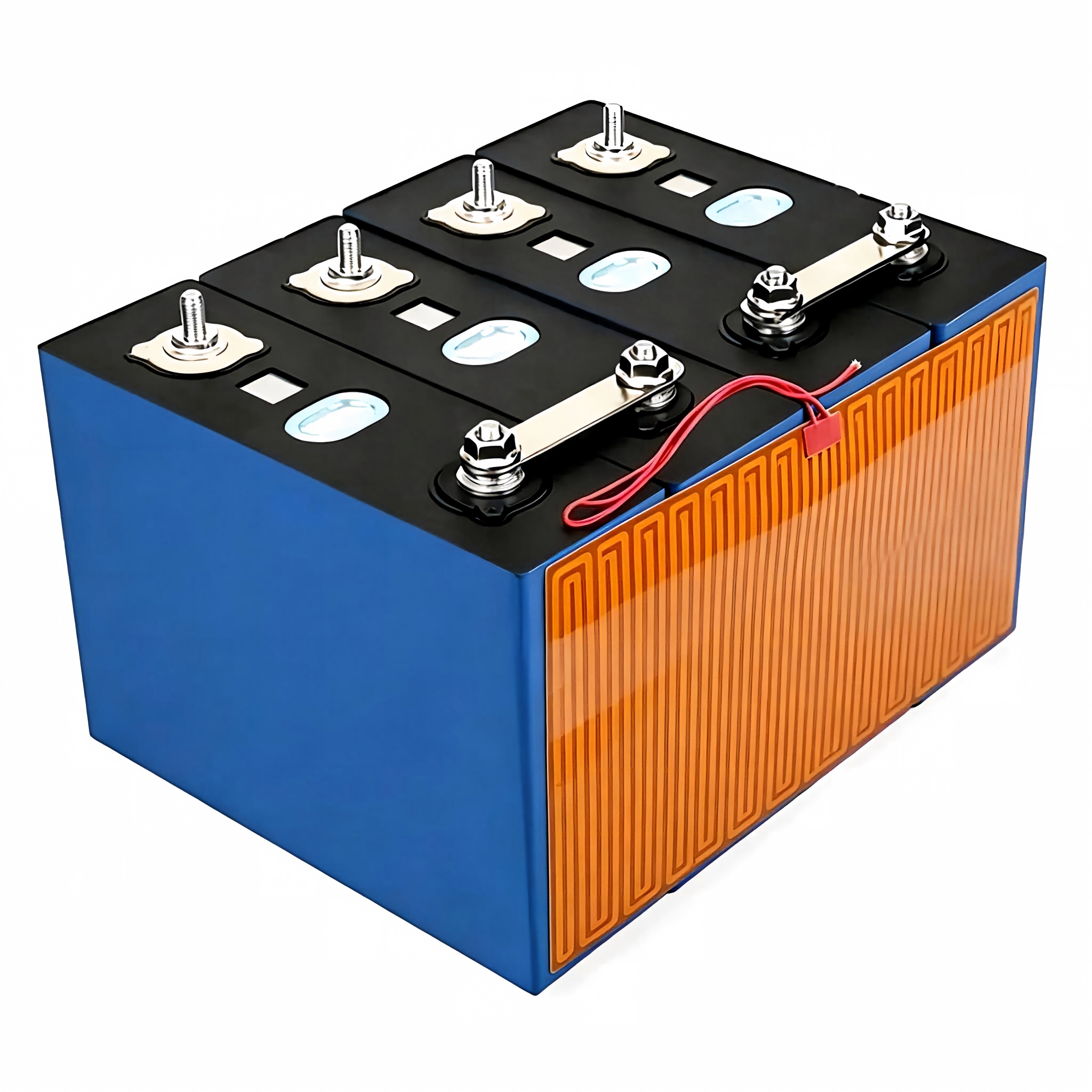
For lithium-ion battery packs used in energy storage systems, off-grid power equipment and electric applications, effective thermal management is important for maintaining reliable performance in cold conditions, supporting low-temperature charging and protecting long-term battery life.
Flexible heaters are widely used to provide controlled and uniform heat to battery cells and modules. Two commonly used constructions are polyimide (PI) flexible heaters and silicone flexible heaters.
Both can provide uniform surface heating, but their different material structures give them distinct advantages in terms of thickness, thermal response, electrical insulation, mechanical durability and environmental resistance. Understanding these differences can help battery designers select the right heater for a specific application.
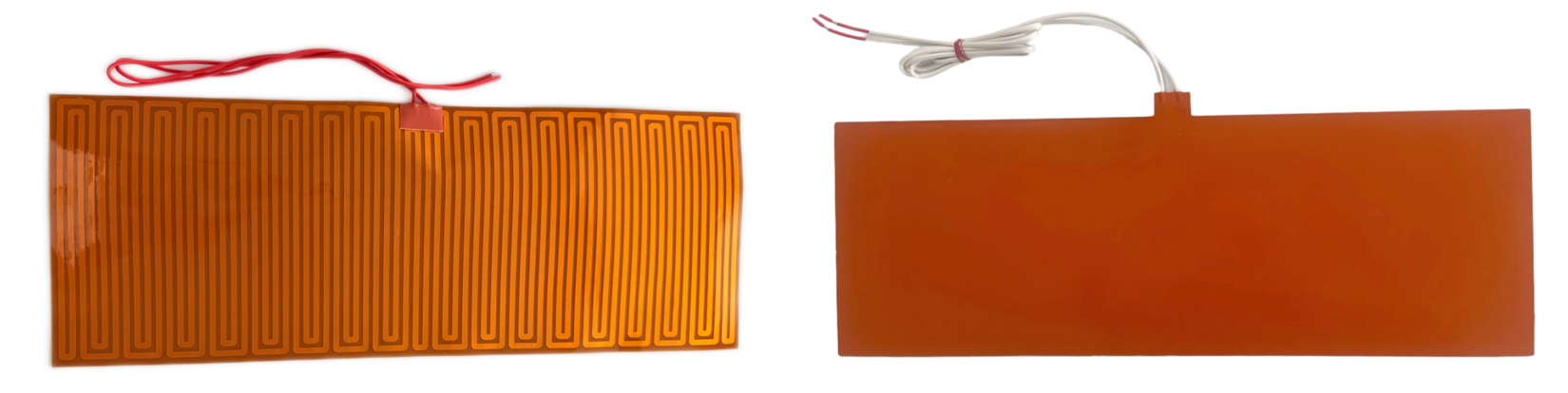
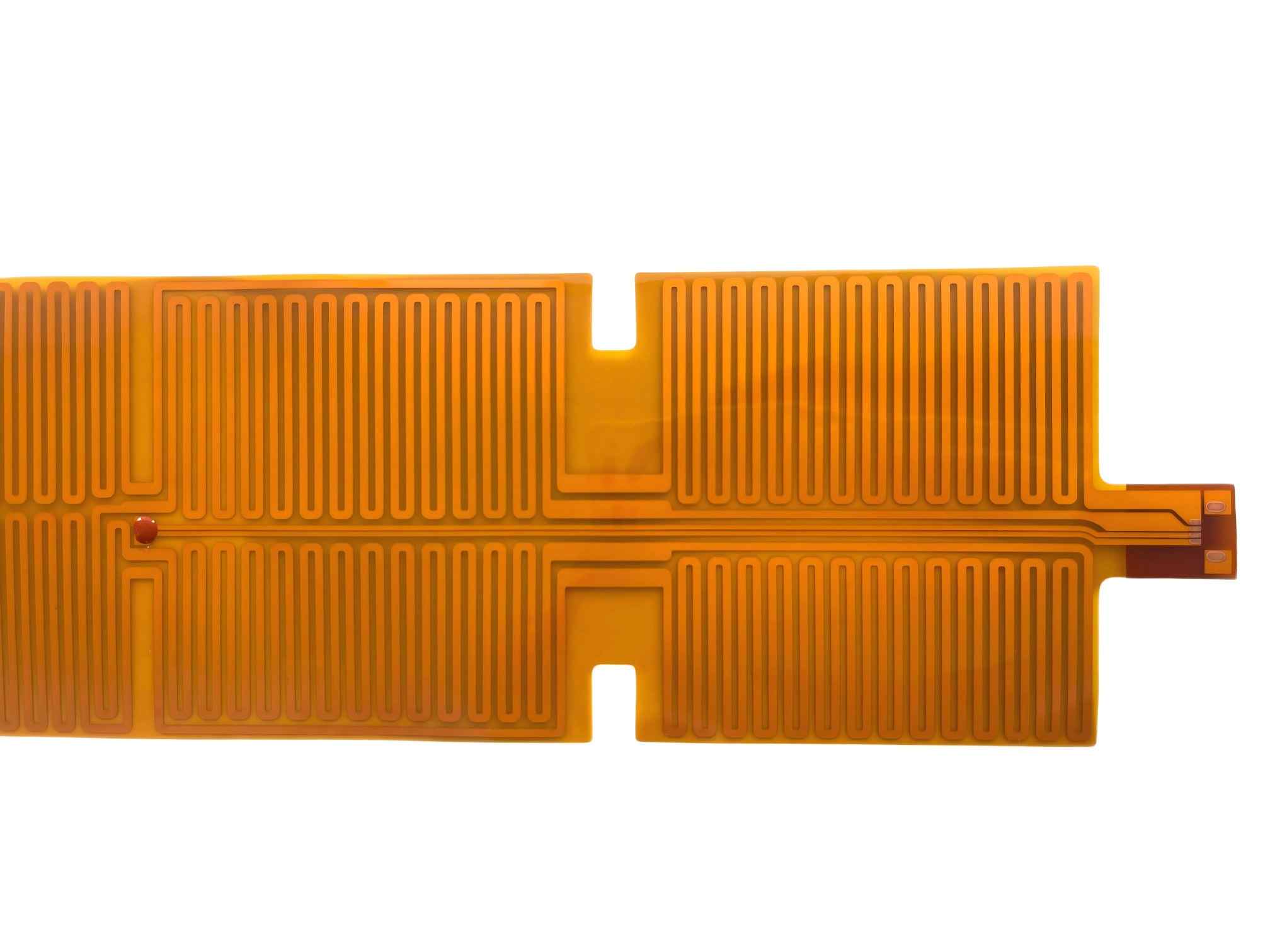
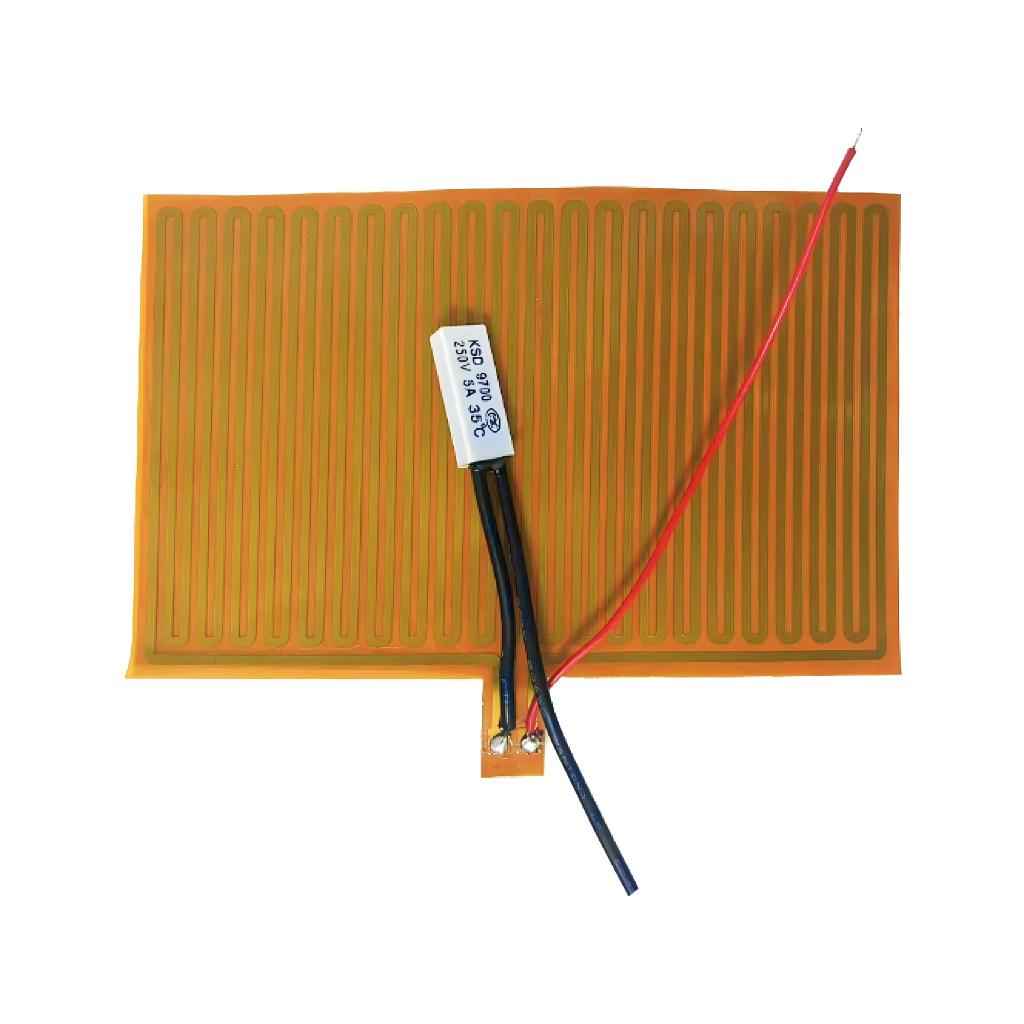
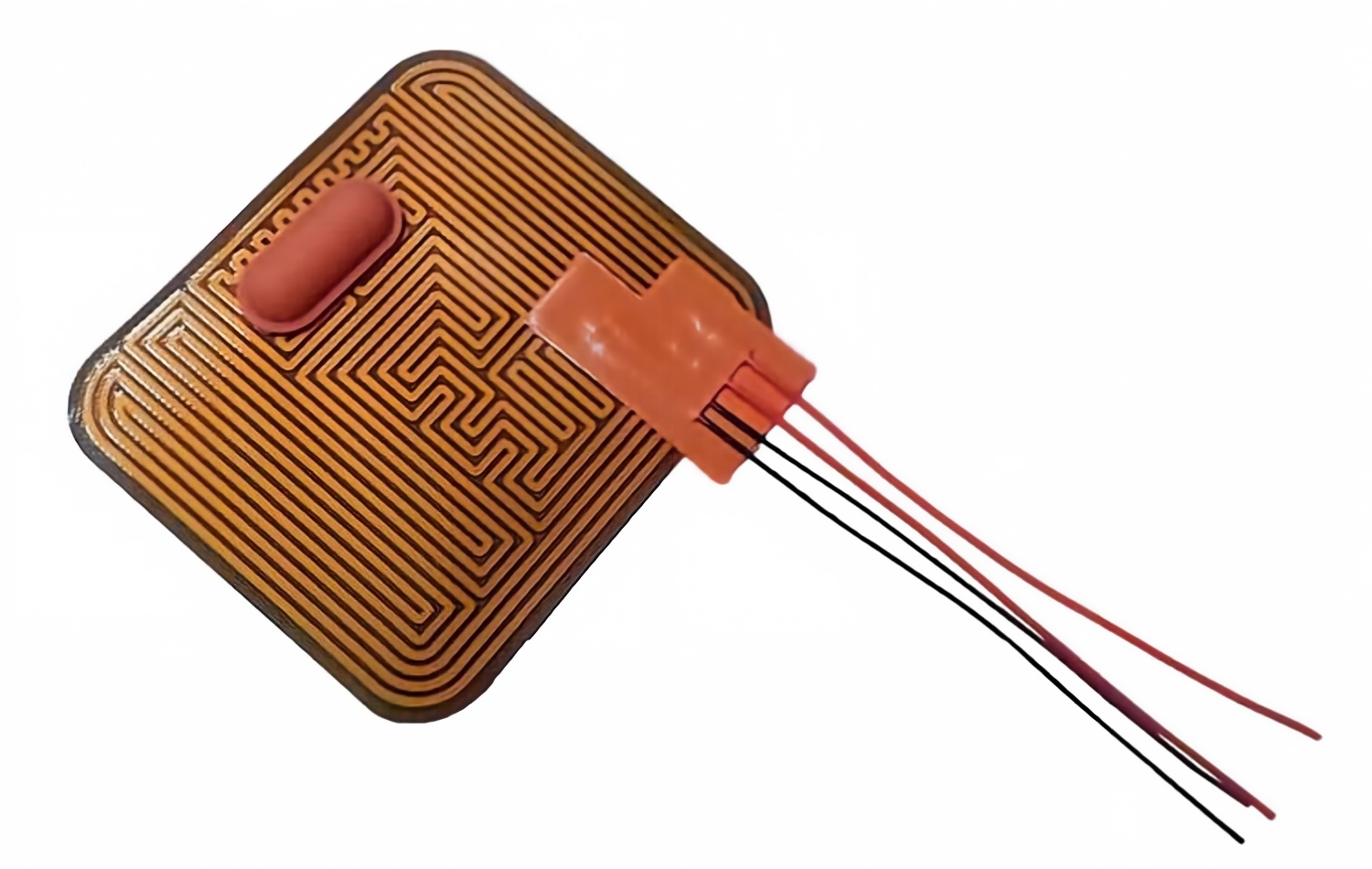
Polyimide heaters are ultra-thin flexible heating elements typically constructed by etching a precision resistance circuit onto a polyimide film substrate.
Their thin construction and low thermal mass make them particularly useful when space and fast thermal response are important considerations.
Key Advantages
1. Ultra-thin and space-saving
The very thin profile of a PI heater allows it to fit into narrow spaces around or between battery cells. This is especially useful for compact battery packs where available installation space is limited.
2. Fast thermal response
Because of their low thermal mass, PI heaters can respond quickly to changes in power input and transfer heat to the battery surface with relatively little thermal delay. This can be beneficial for battery preheating applications where a rapid temperature increase is required.
3. Precise heat distribution
The resistance circuit can be precisely patterned to match the required heating area. This allows the heating output to be distributed evenly across the battery surface and helps minimize localized temperature differences.
4. Lightweight and flexible
PI heaters are lightweight and flexible, making them easy to integrate into compact battery assemblies. They can also be customized into different shapes to accommodate specific battery geometries.
5. Well suited to compact battery systems
The combination of a thin profile, low weight and fast thermal response makes PI heaters a practical choice for applications such as compact lithium battery packs, portable power systems and space-constrained battery modules. PI battery heaters are also commonly used around cylindrical and pouch-cell configurations where installation space is limited.
Silicone flexible heaters use resistance wires or etched heating elements encapsulated between layers of silicone rubber insulation.
Compared with PI heaters, silicone heaters generally have a thicker construction, but the additional material provides a mechanically robust structure with good environmental resistance.
Key Advantages
1. Strong electrical insulation
Silicone rubber provides reliable electrical insulation and can be designed with appropriate insulation thickness for demanding voltage and dielectric-strength requirements. This makes silicone heaters particularly attractive for battery applications where robust electrical insulation is an important design consideration.
2. Excellent environmental resistance
Silicone rubber offers good resistance to moisture, humidity and environmental exposure. This makes silicone heaters well suited to outdoor energy storage systems and battery applications exposed to vibration or changing environmental conditions.
3. Wide temperature capability
Silicone heater constructions can be designed for applications requiring a relatively wide operating temperature range. The actual allowable temperature depends on the silicone material, heater construction and application conditions, so the required operating temperature should always be evaluated at the design stage.
4. Good mechanical durability
The thicker silicone structure provides good protection for the internal heating element and helps the heater withstand mechanical stress and continuous vibration. This can be particularly useful in battery systems that experience transportation, installation or long-term outdoor operation.
5. Suitable for demanding battery applications
The combination of electrical insulation, mechanical durability and environmental resistance makes silicone heaters a practical choice for larger battery modules, energy storage systems and other applications where a more robust heater construction is required. Silicone heaters are commonly used for battery module base heating, cylindrical cell pack heating and battery cabinet heating.
The best heater construction depends on the requirements of the battery system. The following comparison highlights the main differences:
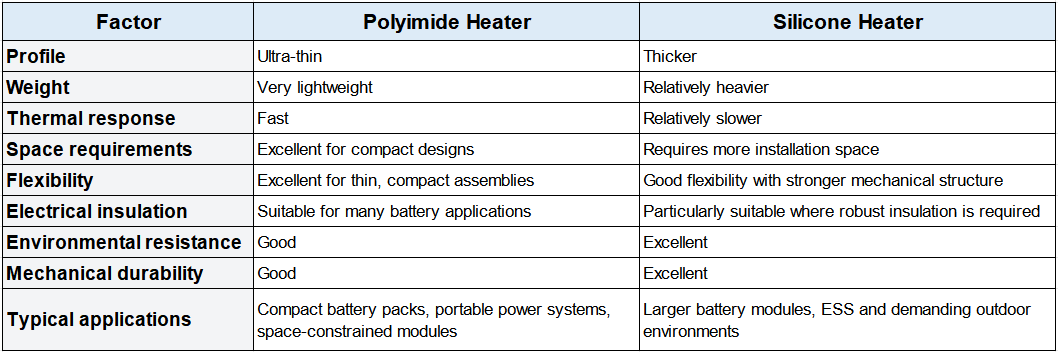
The difference is mainly a matter of design priorities rather than one material being universally better than the other. Industry references similarly describe PI heaters as advantageous where thickness and installation space are critical, while silicone heaters are favored when mechanical durability and environmental resistance are more important.
Polyimide and silicone flexible heaters can both provide reliable heating for lithium-ion battery packs, but they are suited to different design requirements.
Polyimide heaters are often preferred when a thin profile, low weight and fast thermal response are the main priorities. They are particularly useful for compact battery packs where installation space is limited.
Silicone heaters are often preferred when mechanical durability, environmental resistance and robust electrical insulation are more important. Their construction makes them well suited to larger battery modules, energy storage systems and demanding operating environments.
When selecting a flexible battery heater, it is important to consider more than the heater material alone. Battery voltage, required heating power, available installation space, cell configuration, target temperature, operating environment and mechanical conditions should all be evaluated together.
Choosing the appropriate heater construction at the design stage can help achieve more uniform heating, reliable cold-weather performance and long-term stability for the complete battery system.
We offer a wide variety of high-efficiency heaters and heating element.Such as polyimide/kapton heaters,silicone rubber heaters,PET transparent heaters, thick film heaters,PTC heaters, mica heaters,epoxy resin heaters and graphene heating film.
 English
 Russian
 French
 Spanish
 German
 Polish