


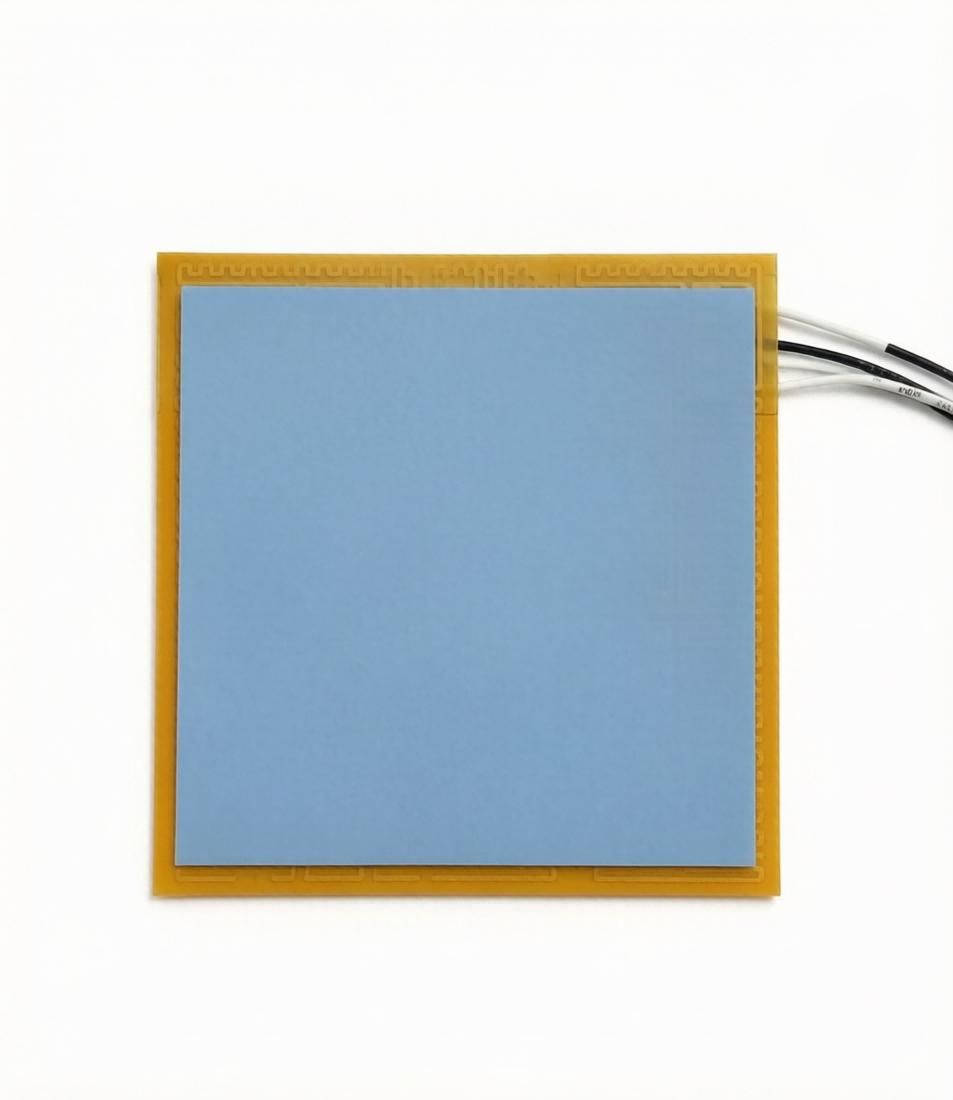
Polyimide Heaters with Thermally Conductive Silicone for Battery Applications
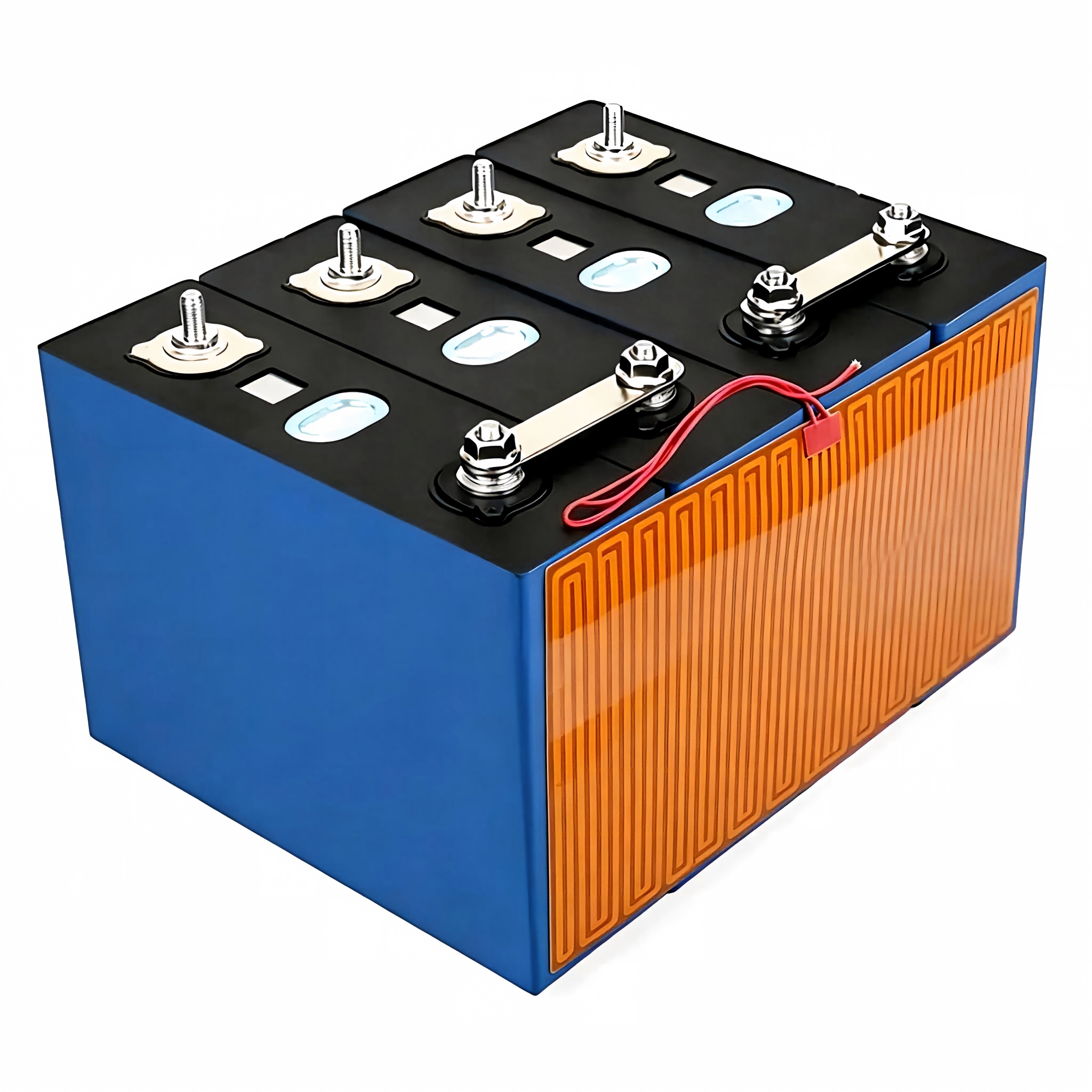
Polyimide vs Silicone Flex Heaters for Lithium-Ion Battery Packs
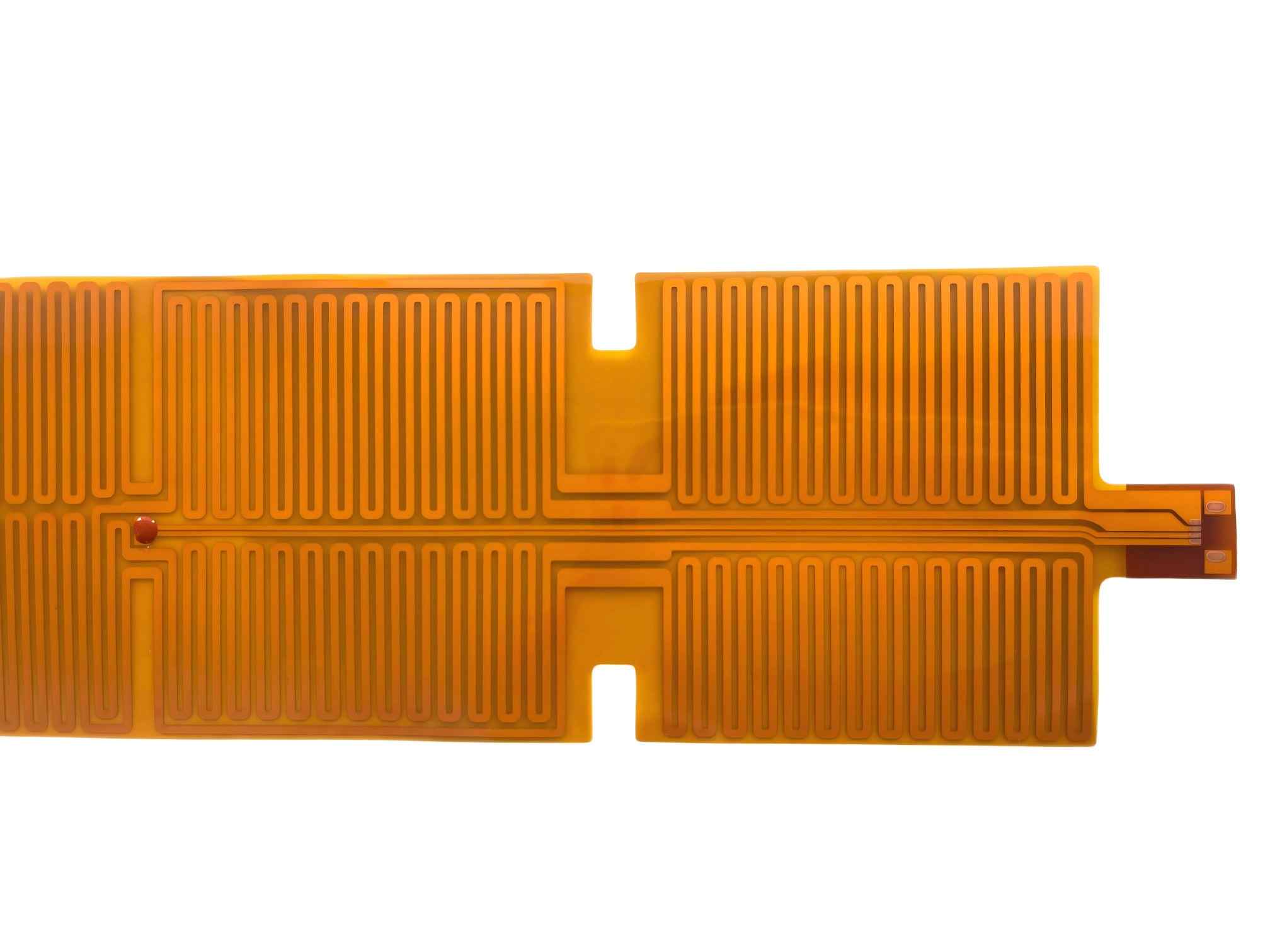
Can a Battery Heater NTC Measure Battery Cell Temperature?
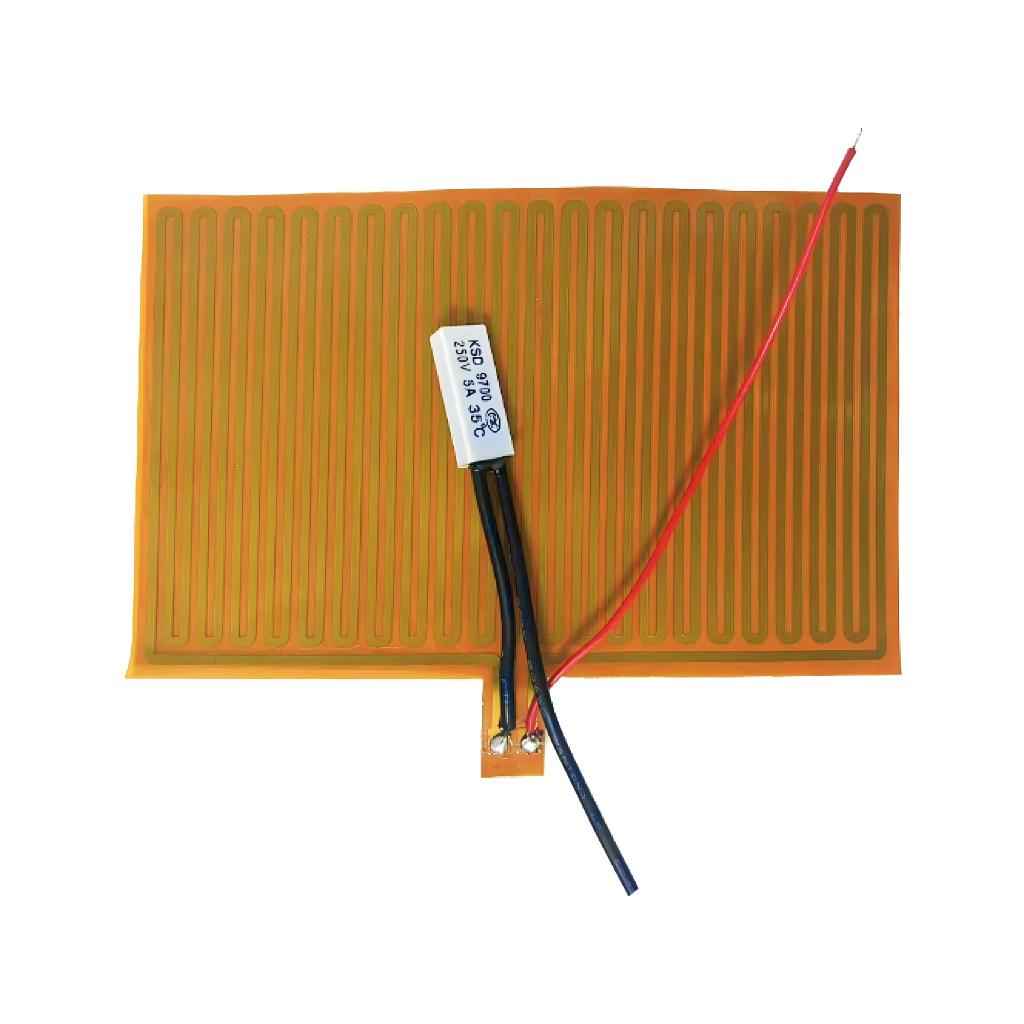
How to Integrate NTC Sensors and Thermal Protection Devices into Flexible Heaters?
How Flexible Thin Film Heaters Improve Precision Thermal Control in Medical Devices?
As battery-powered systems continue to expand across industries, effective thermal management has become increasingly important. Low ambient temperatures can reduce battery charging efficiency, limit available capacity, and accelerate performance degradation. To maintain batteries within their optimal operating range, electric heating solutions are often integrated into battery packs.
Among the various heating technologies available, Polyimide (PI) heaters are widely recognized for their thin profile, lightweight construction, and rapid heating response. However, in applications where temperature uniformity is critical, combining a PI heater with an aluminum plate can significantly improve overall heating performance.
This article explores how a PI heater with an aluminum plate works, its key advantages and limitations, and why it has become a popular solution for battery thermal management.
What Is a PI Heater with an Aluminum Plate?
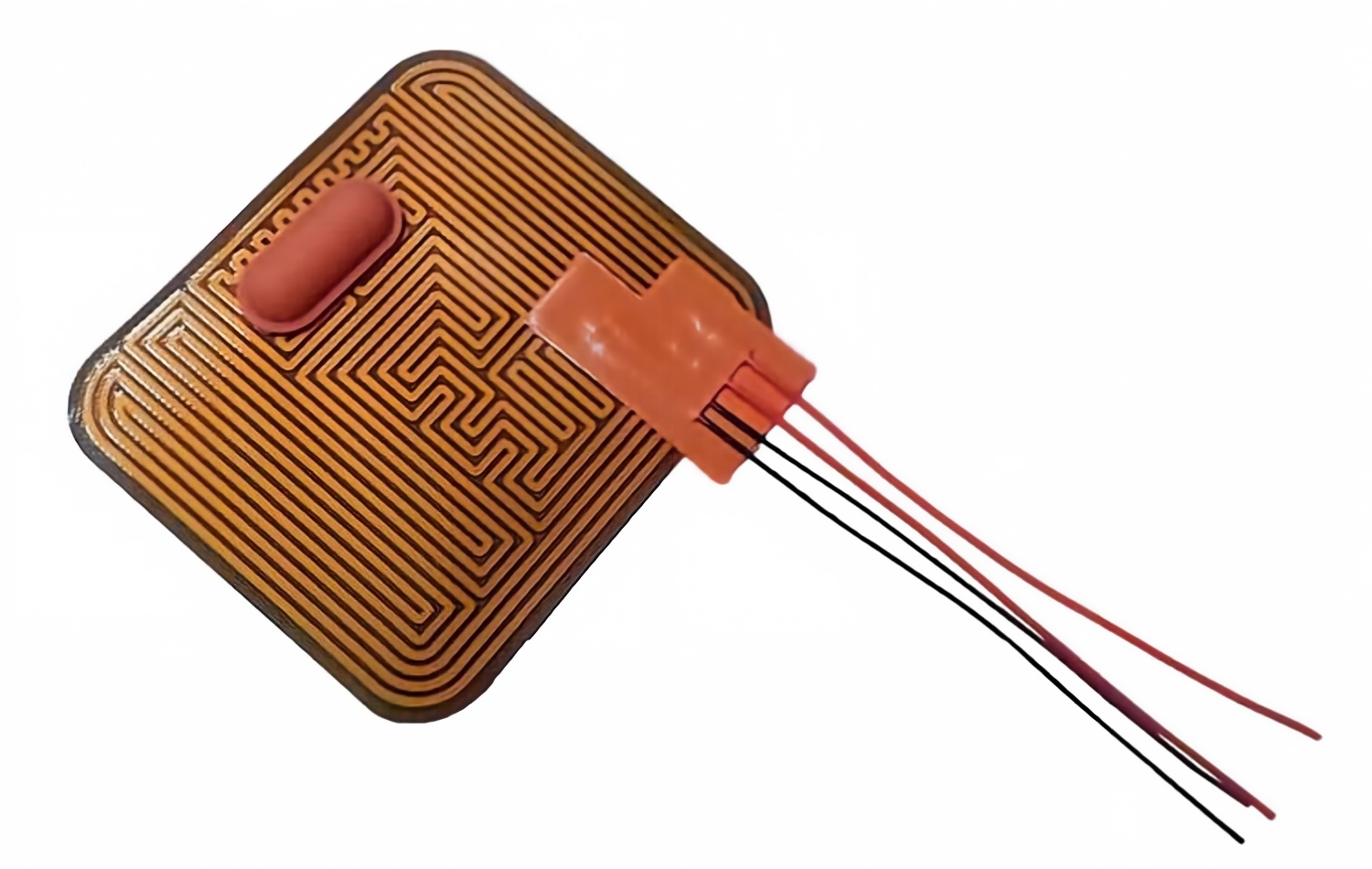
A PI heater is an ultra-thin flexible heater manufactured by etching resistance circuits onto a polyimide film substrate. Known for its excellent thermal stability and compact design, the PI heater can be bonded directly to various surfaces to provide efficient and controlled heating.
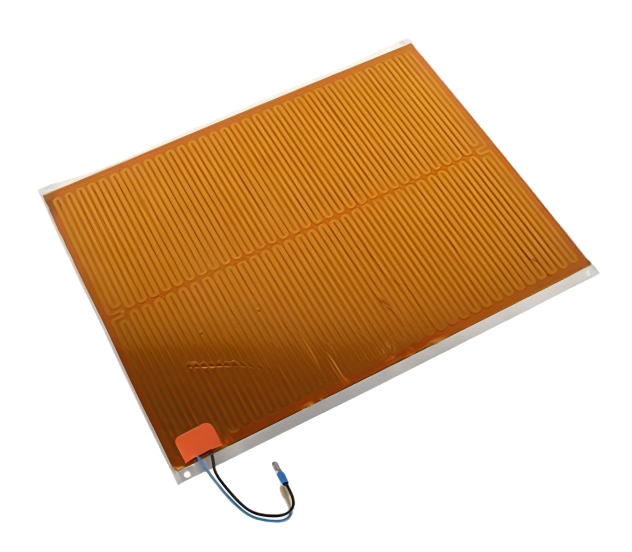
When an aluminum plate is added between the heater and the battery pack, the plate acts as a thermal spreader. Rather than allowing heat to remain concentrated near the heating traces, the aluminum distributes the heat across a larger area before transferring it to the batteries.
This combination creates a heating assembly that offers the fast response of a PI heater while benefiting from the superior heat-spreading capability of aluminum. The result is a more balanced and stable temperature profile throughout the battery pack.
Why Temperature Uniformity Matters?
Maintaining a consistent temperature across all battery cells is essential for achieving optimal performance and long-term reliability. When some cells operate at higher temperatures than others, charging and discharging behavior can become uneven. Over time, these temperature differences may contribute to capacity imbalance, accelerated aging, and reduced overall battery life.
A heating system that delivers uniform thermal distribution helps ensure that all cells remain within a similar temperature range. This improves charging efficiency, enhances system performance, and reduces thermal stress on individual cells.
For this reason, temperature uniformity is often just as important as the total heating power delivered by the heater itself.
Key Advantages of a PI Heater with an Aluminum Plate
More Uniform Heat Distribution
One of the most significant benefits of incorporating an aluminum plate is its ability to spread heat evenly across the battery pack. Aluminum possesses excellent thermal conductivity, allowing heat generated by the PI heater to travel quickly across the plate before reaching the batteries.
Without a heat-spreading layer, temperatures tend to be highest directly above the heating traces. The aluminum plate minimizes these localized temperature variations and helps create a more consistent thermal environment. As a result, battery cells experience more uniform operating conditions, which can improve overall system performance and longevity.
Reduced Risk of Localized Overheating
In any electric heating system, concentrated heat can potentially create hot spots. These areas may expose nearby battery cells to higher temperatures than intended, increasing thermal stress and reducing consistency throughout the pack.
The aluminum plate acts as a thermal buffer, distributing heat over a larger surface area and lowering peak temperatures at individual locations. This not only enhances safety but also contributes to more predictable and controlled heating behavior.
For battery systems where reliability is a top priority, reducing the risk of localized overheating can be a significant advantage.
Improved Thermal Stability
Another benefit of the aluminum plate is its ability to improve thermal stability. Because aluminum absorbs and stores thermal energy, it helps smooth out temperature fluctuations during operation.
Instead of experiencing rapid temperature changes, the battery pack warms more gradually and maintains a steadier temperature profile. This stable thermal environment can improve temperature control accuracy and reduce the effects of repeated thermal cycling on battery components.
In cold-weather applications, enhanced thermal stability can also contribute to more consistent charging and discharging performance.
Enhanced Structural Support
PI heaters are designed to be flexible and lightweight, which makes them ideal for applications with limited space. However, some battery systems require additional mechanical strength to support installation and long-term operation.
The aluminum plate provides a rigid backing structure that protects the heater from mechanical damage and simplifies assembly. It can also serve as a mounting surface within the battery enclosure, improving the overall durability and robustness of the heating system.
Design Considerations and Trade-Offs
While a PI heater combined with an aluminum plate offers many advantages, it is important to understand the design trade-offs associated with this approach.
Increased Thermal Mass
Because the aluminum plate absorbs heat before transferring it to the battery pack, the system requires additional energy during the initial heating phase. Compared with a standalone PI heater, the assembly has a greater thermal mass that must first be warmed.
Although this may slightly increase warm-up time, the trade-off is improved temperature uniformity and greater thermal stability throughout the heating process.
Slower Initial Heating Response
A flexible PI heater alone can respond very quickly because heat is generated directly at the surface. When an aluminum plate is added, some of the energy is first used to heat the plate itself before reaching the batteries.
As a result, the initial temperature rise may be slower. However, once the aluminum plate reaches operating temperature, it helps maintain a more consistent and evenly distributed heat output.
Importance of Thermal Insulation
The effectiveness of any battery heating system depends not only on the heater but also on the insulation strategy. Without adequate insulation, a significant portion of the generated heat may be lost to the surrounding environment.
Proper insulation helps direct heat toward the battery pack, improves energy efficiency, and reduces power consumption. In many cases, optimizing insulation can have as much impact on system performance as selecting the heater itself.
Key Design Factors
When designing a PI heater with an aluminum plate, several factors should be carefully evaluated to achieve the desired performance.
Heater Power Density
The heater must provide sufficient power to raise the battery temperature within the required timeframe while avoiding excessive surface temperatures. The optimal power density depends on factors such as battery size, ambient temperature, insulation effectiveness, and heating targets.
Selecting an appropriate power level ensures efficient operation without introducing unnecessary thermal stress.
Aluminum Plate Thickness
The thickness of the aluminum plate directly affects both heat distribution and thermal response. A thicker plate generally improves temperature uniformity because it spreads heat more effectively across the surface. It also provides greater structural rigidity.
However, increasing thickness adds weight and thermal mass, which can slow the heating response. The ideal thickness depends on the specific balance between heating performance, mechanical requirements, and space constraints.
Temperature Monitoring and Protection
Reliable temperature control is essential for battery safety. Many systems incorporate temperature sensors such as NTC thermistors or RTD sensors to monitor operating conditions in real time.
Additional protection devices, including thermostats or thermal fuses, may also be integrated to prevent overheating and ensure safe operation under abnormal conditions.
PI Heater Alone or PI Heater with an Aluminum Plate?
The choice between a standalone PI heater and a PI heater with an aluminum plate ultimately depends on the application's priorities.
A standalone PI heater is typically preferred when fast heating response, minimal weight, and maximum flexibility are the primary objectives. It offers a simple and compact solution that can be easily integrated into space-constrained designs.
On the other hand, when temperature uniformity, thermal stability, and structural support are more important, the addition of an aluminum plate often provides a substantial performance advantage. The improved heat distribution helps maintain more consistent battery temperatures, reducing thermal gradients and enhancing overall system reliability.
For many battery heating applications, the benefits of improved thermal management outweigh the slight increase in thermal mass and warm-up time.
A PI heater combined with an aluminum plate offers an effective solution for battery systems that require stable, uniform, and reliable heating performance. By leveraging the excellent heat-spreading properties of aluminum, the system can significantly improve temperature consistency while reducing localized overheating and thermal stress.
Although the additional aluminum layer introduces some thermal mass and slightly slows the initial heating response, these trade-offs are often justified by the improvements in heat distribution, safety, and long-term reliability.
For engineers seeking a robust battery heating solution, a PI heater with an aluminum plate remains one of the most practical and proven approaches for achieving efficient thermal management in demanding operating environments.
We offer a wide variety of high-efficiency heaters and heating element.Such as polyimide/kapton heaters,silicone rubber heaters,PET transparent heaters, thick film heaters,PTC heaters, mica heaters,epoxy resin heaters and graphene heating film.
 English
 Russian
 French
 Spanish
 German
 Polish