


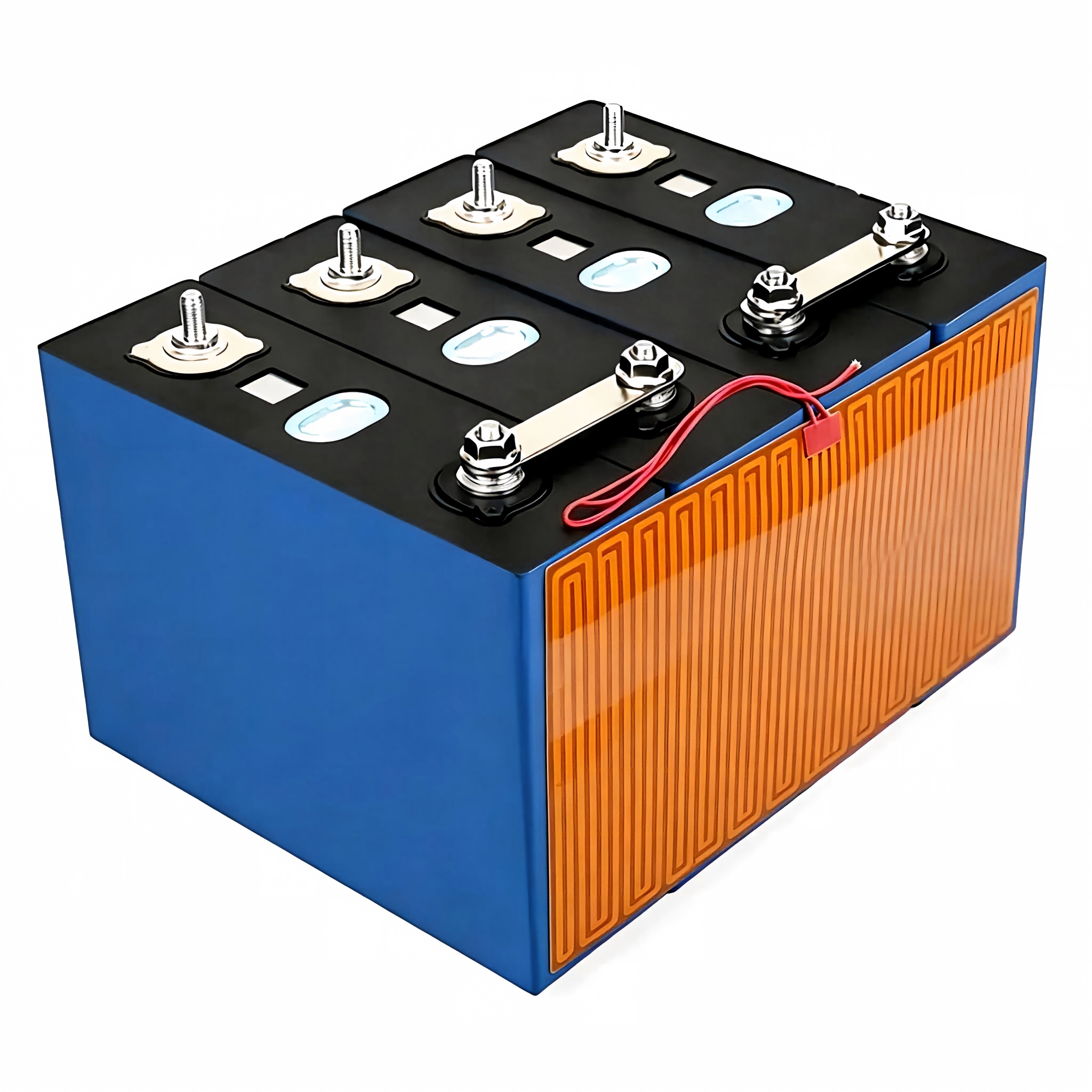
Polyimide vs Silicone Flex Heaters for Lithium-Ion Battery Packs
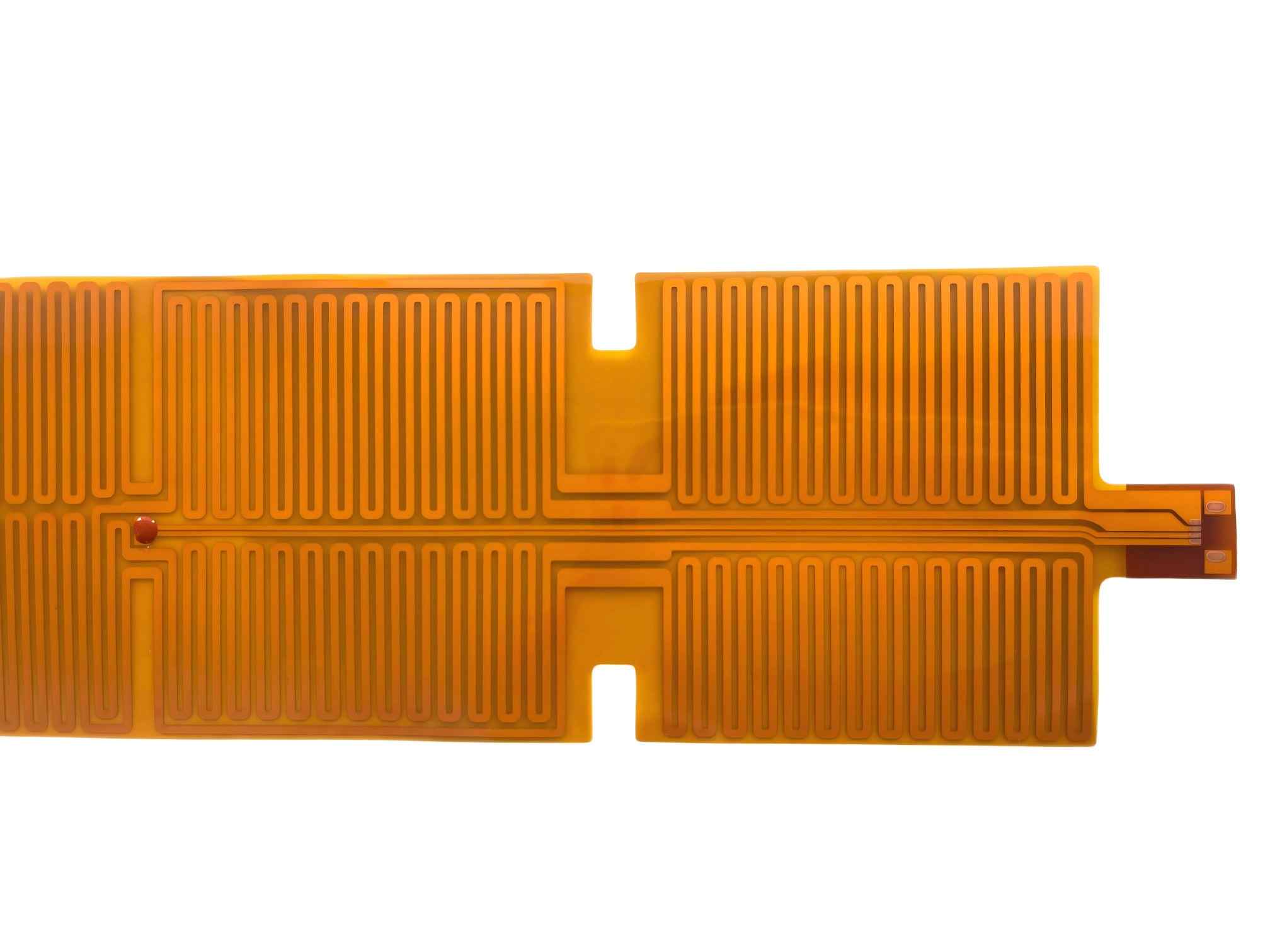
Can a Battery Heater NTC Measure Battery Cell Temperature?
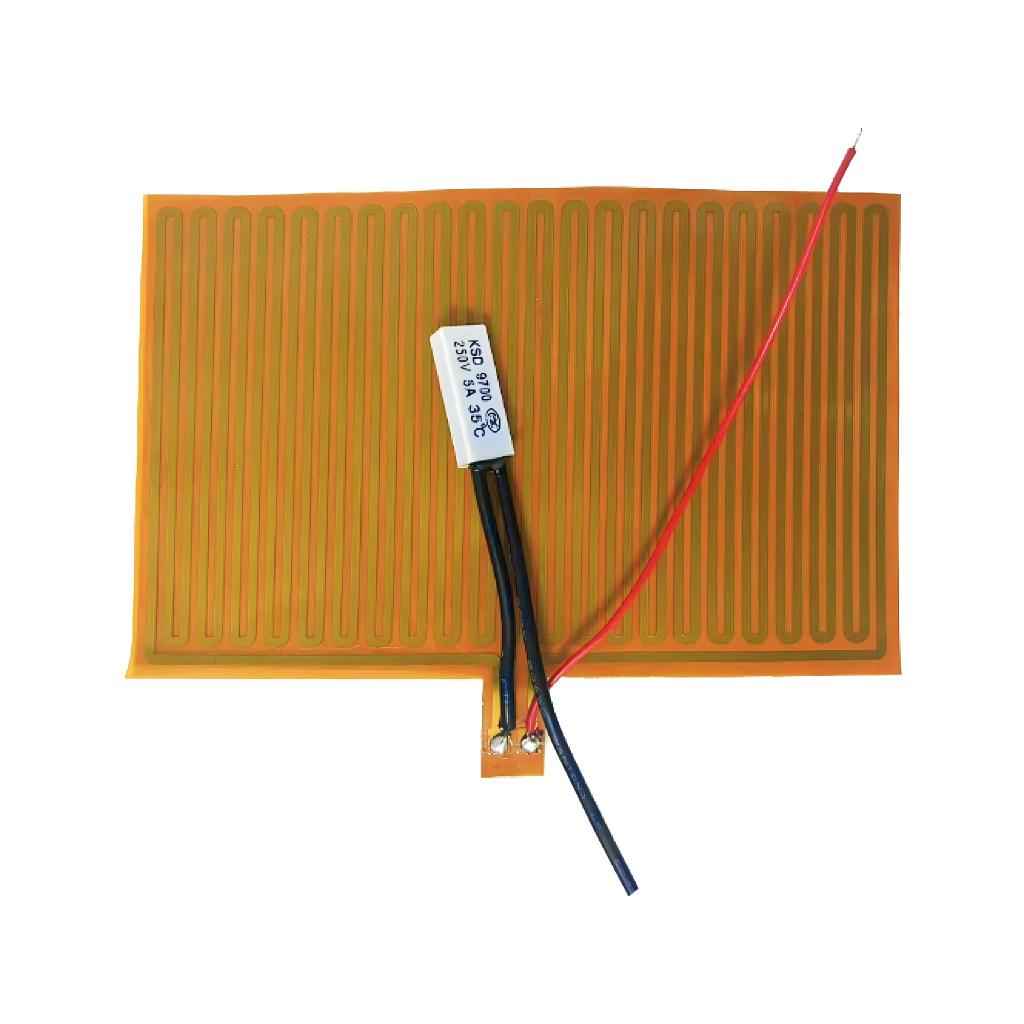
How to Integrate NTC Sensors and Thermal Protection Devices into Flexible Heaters?
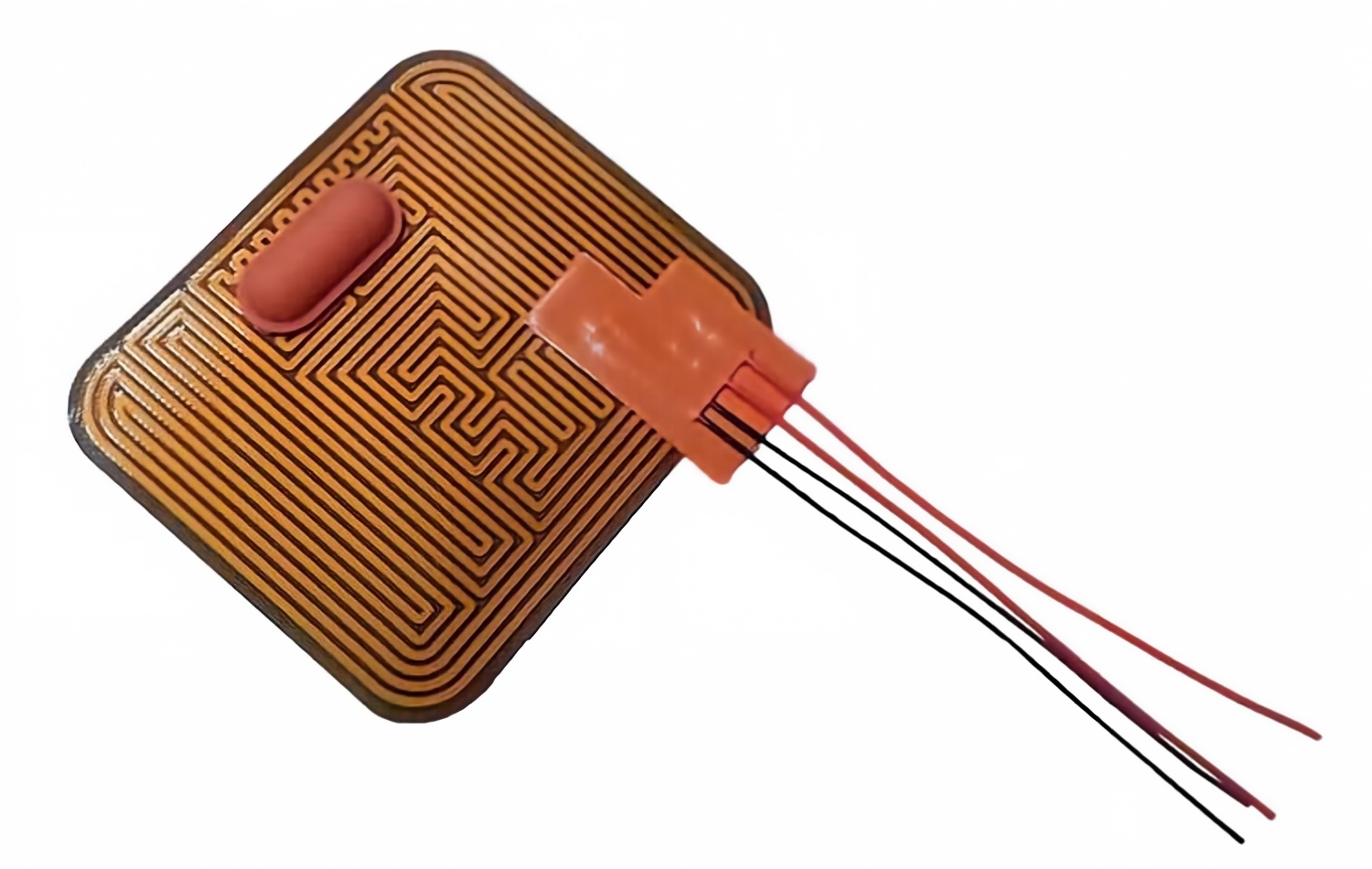
How Flexible Thin Film Heaters Improve Precision Thermal Control in Medical Devices?
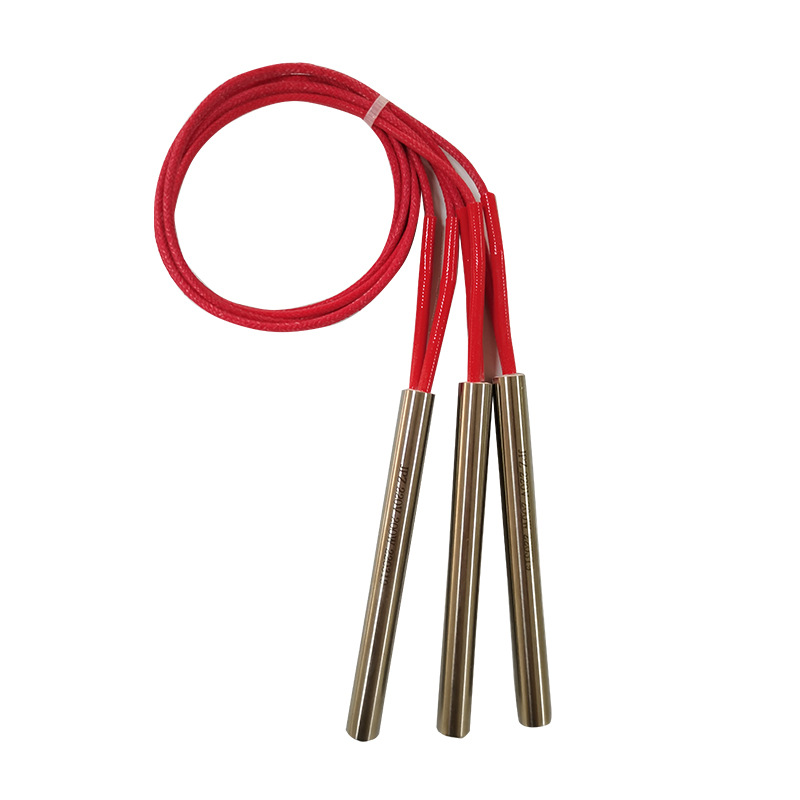
Cartridge Heaters Complete Guide for Industrial Heating Applications
When it comes to mounting silicone rubber heaters, choosing the right method can make or break the performance, durability, and efficiency of your heating system. While pressure-sensitive adhesive (PSA) mounting is a common choice for quick, straightforward applications, it often falls short in high-demand scenarios where permanent bonding and superior heat transfer are non-negotiable. That's where vulcanization bonding steps in as the gold standard. In this blog, we'll dive deep into this advanced mounting technique, exploring its process, advantages, applications, and why it's the preferred option for critical industrial and high-performance systems.
Before we focus on vulcanization, let's briefly contrast it with PSA mounting to understand where each excels (and where they don't). PSA mounting is undoubtedly convenient: simply peel off the protective liner, apply the adhesive, and press the heater onto a smooth surface like metal or plastic. It's cost-effective and fast, making it ideal for low-stress applications with moderate temperature requirements (up to 300°F/149°C continuous, 500°F/260°C intermittent) and power densities below 5 W/in² (0.78 W/cm²). However, PSA's limitations become apparent in demanding environments. The bond can degrade over time, especially under repeated thermal cycling or exposure to harsh chemicals. Air bubbles trapped during installation can create hot spots, reducing heater life and performance. For applications that require uncompromising reliability, permanent adhesion, and maximum heat transfer, vulcanization bonding is the superior alternative.
Vulcanization bonding is a precision manufacturing process that creates a molecular-level bond between a silicone rubber heater and a metal substrate (such as stainless steel, anodized aluminum, or black anodized aluminum). Unlike PSA, which relies on a physical adhesive layer, vulcanization chemically fuses the heater to the substrate, resulting in a bond that's as strong as the materials themselves.The core steps of the process are straightforward but require strict quality control and specialized equipment:
1. Substrate Preparation: The metal surface is first meticulously cleaned to remove oil, dust, or contaminants—any residue can compromise the bond. In many cases, the surface is also shot-blasted to create a slightly rough texture, enhancing mechanical adhesion, before being coated with a chemical bonding agent.
2. Heater Placement: An uncured silicone rubber heater is positioned precisely on the prepared metal part.
3. Vulcanization in Vacuum Oven: The assembly is placed in a vacuum oven, where controlled heat and pressure trigger the vulcanization process. During this stage, the uncured silicone flows into and fills the microstructures of the metal surface.
4. Molecular Bond Formation: As the silicone cures (cross-links), it forms an inseparable bond with the metal. The result is a permanent, seamless connection with no gaps or air pockets.
The investment in vulcanization bonding pays off in multiple critical ways, making it indispensable for high-performance applications:
The chemical fusion achieved through vulcanization creates a bond that far outperforms PSA. Unlike adhesive bonds that can peel, degrade, or fail under stress, vulcanized bonds are resistant to thermal cycling, vibration, and mechanical wear. Tests show that these bonds often exhibit cohesive failure (the silicone itself tears) rather than adhesive failure (separation from the substrate), proving their strength.
Heat transfer is only as effective as the contact between the heater and the substrate. PSA bonds leave a thin adhesive layer, and air bubbles (a common issue during installation) create insulative gaps that reduce efficiency. Factory vulcanization eliminates these gaps entirely: the silicone fills every microcrevice of the metal surface, creating 100% contact. This direct contact ensures rapid, uniform heat distribution, minimizing hot spots and maximizing energy efficiency—a critical factor in applications like mold heating, semiconductor processing, and battery temperature management.
Silicone rubber heaters mounted via vulcanization can withstand higher temperatures than those with PSA. While high-temperature PSA is limited to around 500°F (260°C) intermittent use, vulcanized heaters maintain their bond integrity even at the upper limits of silicone’s thermal capabilities—up to 500°F (260°C) intermittent and 392°F (200°C) continuous <superscript>4. This makes them suitable for extreme-temperature applications like aerospace components, autoclaves, and industrial piping.
Vulcanized bonds are highly resistant to chemicals, ozone, weathering, and moisture—common hazards in industrial settings. Unlike PSA, which can break down when exposed to solvents or humidity, the molecular bond of vulcanized heaters remains intact, ensuring long-term reliability in harsh conditions such as chemical processing plants, outdoor equipment, and medical sterilization systems.
Any application that demands permanence, high heat transfer, or resistance to extreme conditions will benefit from vulcanization bonding. Here are some of the most common use cases:
Industrial Mold Heating: Injection molding, die casting, and composite manufacturing require precise, uniform mold temperatures to ensure part quality. Vulcanized heaters provide direct heat transfer, eliminating temperature variations and improving production consistency.
Aerospace and Defense: Components like aircraft propeller repair systems, guidance systems, and de-icing equipment need reliable heating solutions that can withstand vibration, extreme temperatures, and harsh aerospace fluids.
Medical Equipment: Devices like neonatal incubators, blood analyzers, and sterilization autoclaves require consistent, contamination-free heating. Vulcanized heaters offer the sterility, reliability, and temperature control critical for medical applications.
Automotive Battery Systems: Electric vehicle (EV) batteries rely on precise temperature management to maintain performance and longevity. Vulcanized heaters bond directly to battery packs, ensuring efficient heat distribution in cold environments.
Industrial Piping and Tanks: Chemical, oil, and gas industries use heated piping to prevent fluid freezing or viscosity buildup. Vulcanized heaters provide permanent, corrosion-resistant bonding for long-term use in these critical systems.
Semiconductor and Electronics Manufacturing: Equipment like wafer processing tools and semiconductor chambers require ultra-precise heating with no particle generation. Vulcanized heaters offer the clean, reliable performance needed for these sensitive applications.
If your application requires a temporary or low-cost heating solution for smooth surfaces, PSA mounting may be sufficient. But if you need permanent bonding, superior heat transfer, temperature resistance, or reliability in harsh environments, vulcanization bonding is the clear choice. It's an investment that pays off in longer heater life, better performance, and reduced maintenance costs—critical factors for industrial, aerospace, medical, and automotive applications where failure is not an option. When selecting a silicone rubber heater manufacturer, look for one with expertise in vulcanization bonding and a track record of custom solutions. With the right partner, you can leverage this advanced mounting technique to optimize your heating system's performance and ensure long-term success.Have questions about whether vulcanization bonding is suitable for your specific application? Feel free to leave a comment below, and we'll help you find the right solution.
We offer a wide variety of high-efficiency heaters and heating element.Such as polyimide/kapton heaters,silicone rubber heaters,PET transparent heaters, thick film heaters,PTC heaters, mica heaters,epoxy resin heaters and graphene heating film.
 English
 Russian
 French
 Spanish
 German
 Polish