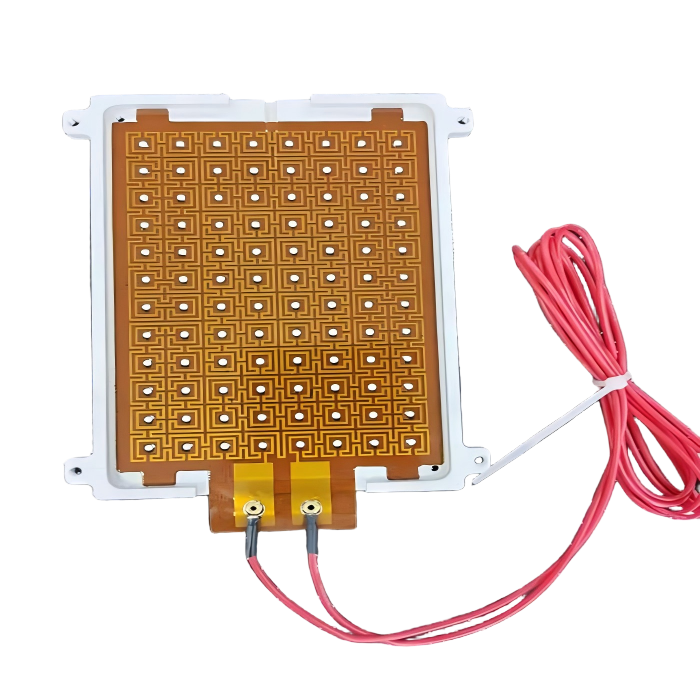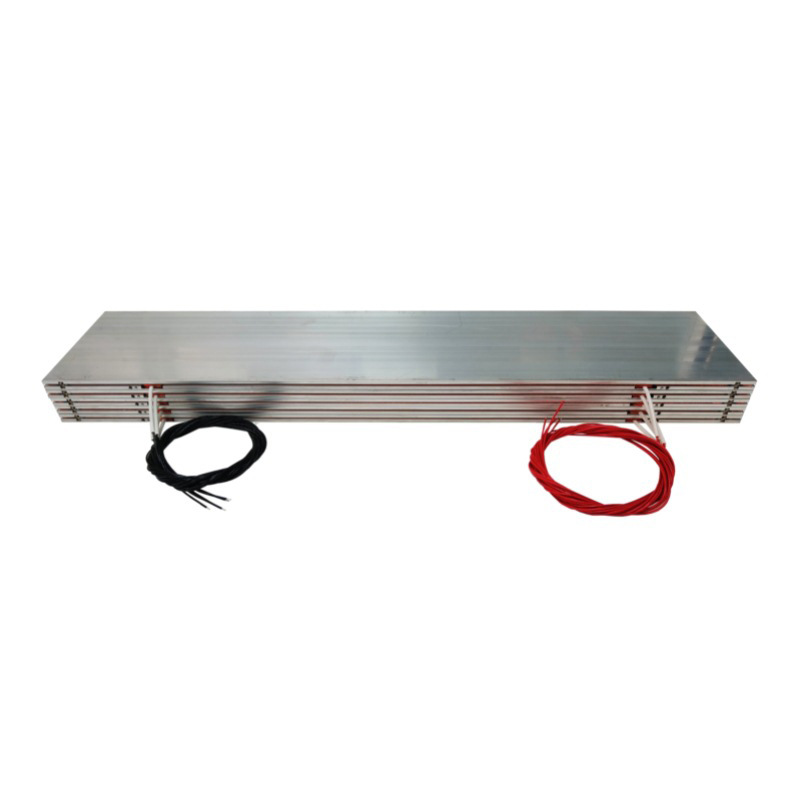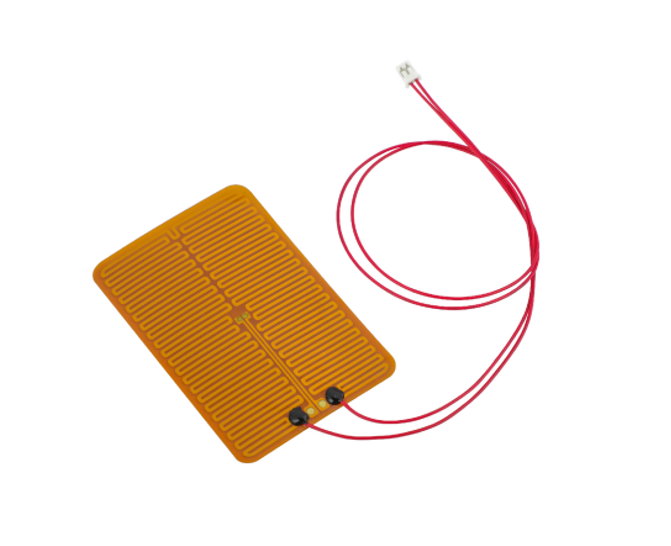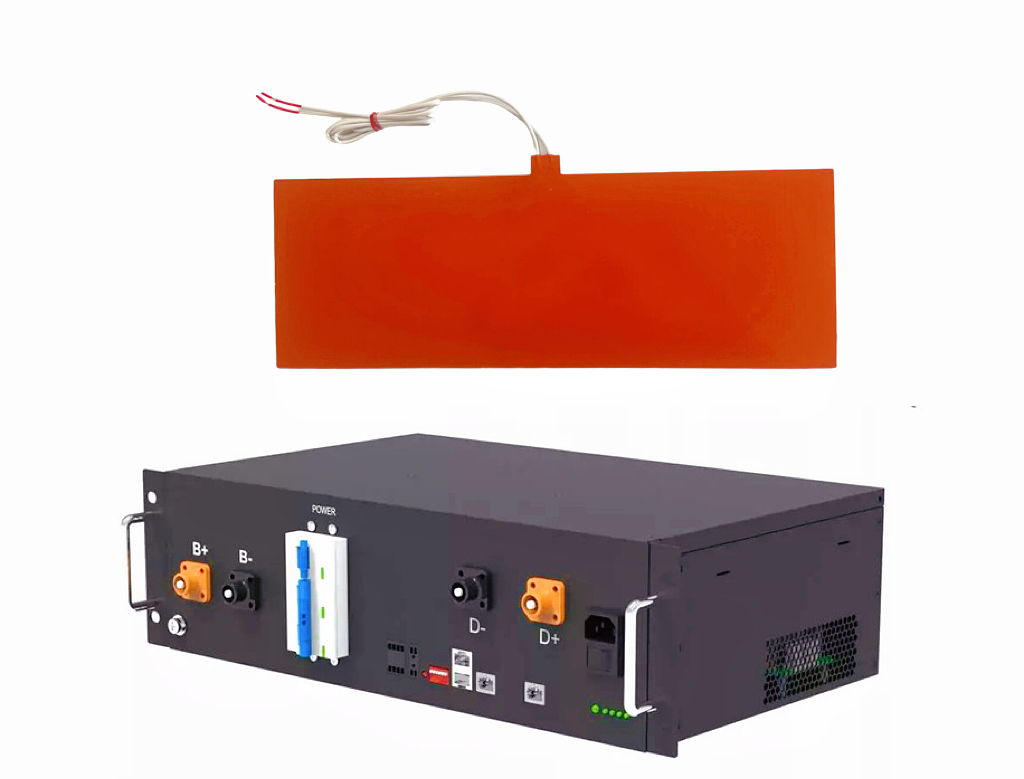


The aerospace industry relies on a vast array of components, parts, and equipment for various applications. From aircraft instrument panels to communication devices in unmanned spacecraft, these components and machines sometimes require the use of PI flexible heaters to prevent freezing in sub-zero temperatures, eliminate moisture in semiconductors and circuits, or provide efficient thermal transfer solutions. Here are some key reasons why aerospace manufacturers choose PI flexible heaters when designing and manufacturing their products and equipment.
Thin and Lightweight
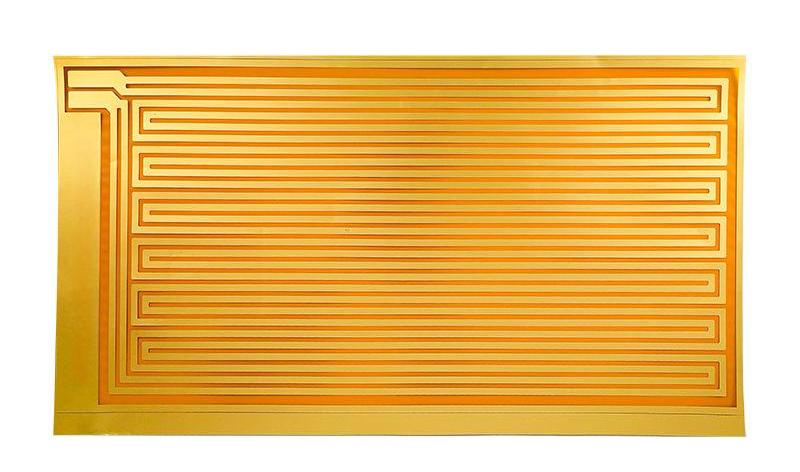
PI flexible heaters are exceptionally lightweight. With a thickness as low as 0.007 inches, they are ideally suited for aerospace applications where any additional weight can impact the operational performance of aircraft, drones, missiles, or spacecraft. As electronic components and controls continue to shrink in size, the slim profile of PI flexible heaters becomes an increasingly important factor.
These heaters also offer excellent flexibility, allowing them to bend and conform to a variety of curved and irregular surfaces. PI flexible heaters can be manufactured in very small sizes and customized into specific shapes to meet the heating requirements of tight and confined spaces.
Low Outgassing Properties
Aerospace equipment often utilizes sensors for various purposes, such as tracking aircraft motion or transmitting critical information. These sensors can be highly sensitive and vulnerable to any gases that might interfere with their operation. When manufacturing components for sensors or parts located near them, aerospace producers must carefully select materials that do not release gases due to heating or regular wear and aging.
PI flexible heaters contain minimal gas within their molecular structure. As a result, the material of PI heating elements exhibits very low outgassing, whether during heating or after prolonged periods of disuse. This feature ensures that sensors continue to function correctly and reliably.
Superior Thermal Transfer in Vacuum Environments
In the aerospace sector, not all equipment operates within Earth's atmosphere. Communication satellites, manned and unmanned spacecraft, and space launch systems must function in the airless void of space. The absence of air in this harsh environment leads to extremely cold temperatures that can damage sensitive components.
Heating equipment in the vacuum of space presents a challenge, as convective heating methods are ineffective. Instead, PI flexible heaters are employed to deliver reliable thermal transfer in these conditions. By attaching PI flexible heaters directly to components, devices and machinery can quickly reach and maintain the necessary operating temperature, whether for continuous or intermittent use. Furthermore, PI flexible heaters provide uniform and consistent heat distribution, eliminating hot spots or cold areas.
De-icing and De-fogging Applications
Surfaces such as instrument panels, sensors, lenses, and other equipment are susceptible to moisture and humidity buildup. This moisture can cause fogging on sensors and lenses, leading to operational issues. When combined with low temperatures, moisture can freeze on electronic components. As the ice expands, it can cause cracking and damage to the parts. Subsequent warming and thawing can exacerbate the problem, leading to further harm.
For de-icing and de-fogging applications, PI flexible heaters are highly recommended due to their durability and ability to withstand extreme temperatures, humidity, and moisture. These flexible polyimide heaters direct just the right amount of heat to sensors, lenses, and electronics to evaporate moisture and prevent fogging without damaging the equipment.
No Interference with Moving Parts
Another advantage of the thin and lightweight nature of PI flexible heaters is their compatibility with moving components. Some parts must move freely to perform specific functions, such as mechanical arms used for external repairs on spacecraft and high-orbit satellites where human access is limited. These components need to move in required directions while their electronic parts remain at adequate operating temperatures.
PI flexible heaters provide effective heat transfer while being thin enough to be placed around moving parts without obstructing their motion. The polyimide material is resistant to wear and tear and can be securely attached without concern of being dislodged by operational movements.
Radiation, Oil, and Chemical Resistance
PI flexible heaters exhibit excellent corrosion resistance. They do not rust or degrade when exposed to oils or chemicals. They are also resistant to fungi, which can grow in dark, warm, and moist environments within electronic device enclosures. The material's inertness to chemicals and oils makes it an ideal choice for aerospace applications where lubricants, oils, and chemicals are consistently used to maintain component efficiency.
Another notable feature of polyimide heaters for aerospace use is their radiation resistance. Ultraviolet radiation from the sun, as well as gamma radiation from neutron stars, pulsars, and supernova explosions, permeates space and the upper atmosphere. These forms of radiation can affect both manned and unmanned spacecraft, aircraft, and other applications. PI flexible heaters, made from polyimide material, resist gamma and UV radiation, ensuring that the thermal management devices continue to operate efficiently. Additionally, they provide an extra layer of protection to components against such radiation.
We offer a wide variety of high-efficiency heaters and heating element.Such as polyimide/kapton heaters,silicone rubber heaters,PET transparent heaters, thick film heaters,PTC heaters, mica heaters,epoxy resin heaters and graphene heating film.
 English
 Russian
 French
 Spanish
 German
 Polish